
Revolutionizing Design with AI Visualization Techniques

In the evolving landscape of design and architecture, the integration of advanced technologies has become not just a trend but a necessity. Among these innovations, AI visualization techniques stand out as transformative tools that redefine how projects are conceived, developed, and presented. These techniques offer a new lens through which designers, architects, and developers can explore possibilities, communicate ideas, and accelerate decision-making processes. As someone deeply engaged in this field, I find the potential of these technologies both inspiring and practical, especially for those involved in real estate development and construction.
The Emergence of AI Visualization Techniques in Design
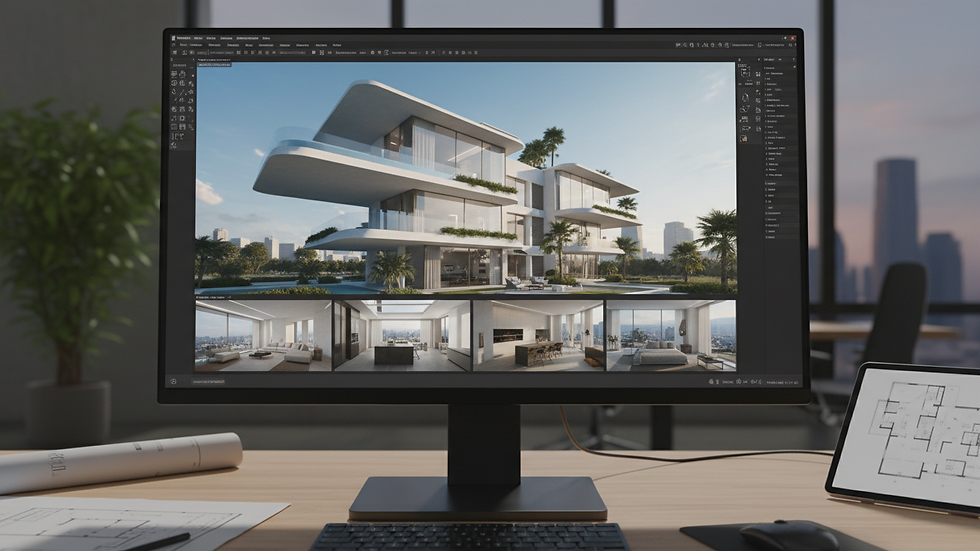
AI visualization techniques encompass a range of methods that leverage artificial intelligence to create, enhance, and optimize visual representations of design concepts. These methods include 3D rendering, animation, and real-time interactive models that provide immersive experiences. The core advantage lies in the ability to generate highly detailed and realistic images or videos that capture the essence of a project before it physically exists.
For instance, architects can now produce photorealistic images of buildings with accurate lighting, textures, and environmental context. This capability allows stakeholders to visualize the final outcome with remarkable clarity, facilitating better feedback and collaboration. Moreover, AI-driven tools can automate repetitive tasks such as texture mapping or lighting adjustments, freeing creative professionals to focus on innovation and refinement.

The adoption of these techniques is particularly impactful in regions like Hyderabad and across India, where rapid urban development demands efficient and precise design workflows. By integrating AI visualization, firms can reduce errors, shorten project timelines, and enhance client satisfaction through compelling presentations.
Practical Applications of AI Visualization Techniques in Real Estate and Construction
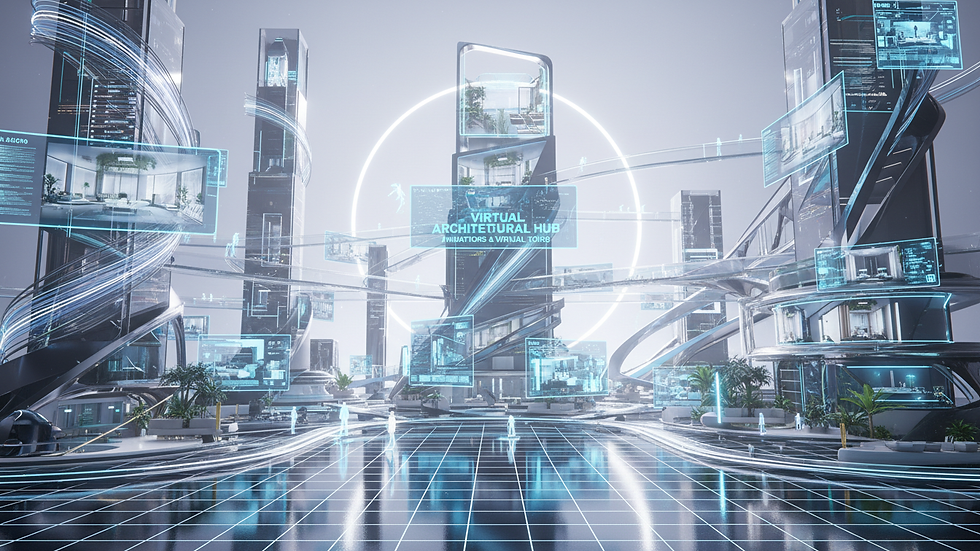
The practical applications of AI visualization techniques extend across various stages of the design and construction process. In real estate development, these tools enable the creation of virtual walkthroughs that allow potential buyers to experience properties remotely. This immersive approach not only boosts marketing efforts but also helps in identifying design flaws early on.
Construction firms benefit from AI visualization by simulating construction sequences and site logistics. This foresight aids in resource planning and risk mitigation, ultimately leading to smoother project execution. Interior design also gains from AI-powered visualization, where clients can experiment with different materials, colors, and layouts in a virtual environment before making final decisions.
To illustrate, a developer in Hyderabad might use AI visualization to present a new residential complex to investors. The ability to showcase detailed interiors, landscaping, and community amenities through interactive models can significantly influence investment decisions. Similarly, architects can use these techniques to explore sustainable design options by simulating natural light and energy consumption patterns.
How much does AI rendering cost?
Understanding the cost implications of adopting AI visualization techniques is crucial for businesses aiming to integrate these tools into their workflows. The pricing varies depending on the complexity of the project, the level of detail required, and the specific services utilized.
Typically, costs can be broken down into:
Software and Licensing Fees - Many AI visualization platforms operate on subscription models, with prices ranging from moderate to premium based on features.
Hardware Requirements - High-performance computing resources may be necessary to handle complex renderings efficiently.
Service Charges - Outsourcing rendering tasks to specialized studios or agencies involves fees that reflect the scope and turnaround time.
Customization and Integration - Tailoring AI tools to specific project needs or integrating them with existing systems can incur additional expenses.
For real estate developers and construction firms, investing in AI visualization often results in cost savings over time by reducing design errors, minimizing rework, and enhancing marketing effectiveness. It is advisable to conduct a thorough cost-benefit analysis and consider scalable solutions that align with project demands.

Enhancing Creativity and Efficiency through AI Visualization
One of the most compelling benefits of AI visualization techniques is their ability to enhance both creativity and efficiency. By automating routine tasks such as rendering adjustments and environmental simulations, designers can devote more time to exploring innovative concepts and refining aesthetics.
AI algorithms can also suggest design alternatives based on predefined parameters, opening new avenues for creativity. For example, generative design tools use AI to produce multiple design options that meet specific criteria like structural integrity, cost, and sustainability. This iterative process empowers architects and developers to make informed choices backed by data-driven insights.
Efficiency gains are evident in faster project turnaround times and improved communication among stakeholders. Visualizations serve as a universal language that bridges gaps between technical experts, clients, and contractors. This clarity reduces misunderstandings and accelerates approvals, ultimately driving projects forward with greater confidence.
Future Prospects: AI Visualization as a Catalyst for Industry Transformation
Looking ahead, AI visualization techniques are poised to become even more integral to the design and construction industries. Advances in machine learning, augmented reality, and cloud computing will further enhance the realism, interactivity, and accessibility of visual content.
For businesses aiming to stay competitive, embracing these technologies is not merely an option but a strategic imperative. The fusion of AI with traditional design practices promises to unlock new levels of precision, personalization, and productivity. As these tools evolve, they will continue to democratize design capabilities, enabling smaller firms and emerging markets to participate in high-quality project delivery.
In this dynamic environment, studios like OI CG Studio exemplify the potential of combining AI-powered creative solutions with deep industry expertise. By expanding beyond real estate visualization into AI-driven marketing and automation, they illustrate how innovation can fuel growth and redefine service offerings.
Embracing AI Visualization Techniques for a Brighter Design Future
The journey toward fully integrating AI visualization techniques into design workflows is both exciting and challenging. It requires a thoughtful approach that balances technological adoption with human creativity and expertise. For those engaged in real estate development, architecture, and construction, the rewards are substantial - from enhanced project outcomes to stronger client relationships.
By investing in these tools and cultivating a culture of innovation, businesses can position themselves at the forefront of an industry revolution. The future of design is not just about creating structures but about crafting experiences that resonate deeply with users and stakeholders alike. AI visualization techniques offer the key to unlocking this potential, transforming visions into vivid realities with unprecedented clarity and efficiency.

Comments