
Exploring the Metaverse in Architecture: Opportunities for Indian Architects

The architectural landscape is undergoing a profound transformation, driven by the emergence of the metaverse. This digital frontier offers architects a new canvas to reimagine spaces, design experiences, and engage clients in ways previously unimaginable. As an architect deeply invested in the evolution of design, I find the metaverse not merely a technological novelty but a paradigm shift that holds immense promise for Indian architects. It invites us to transcend physical constraints and explore the boundless possibilities of virtual environments.
The Growing Influence of the Metaverse in Architecture
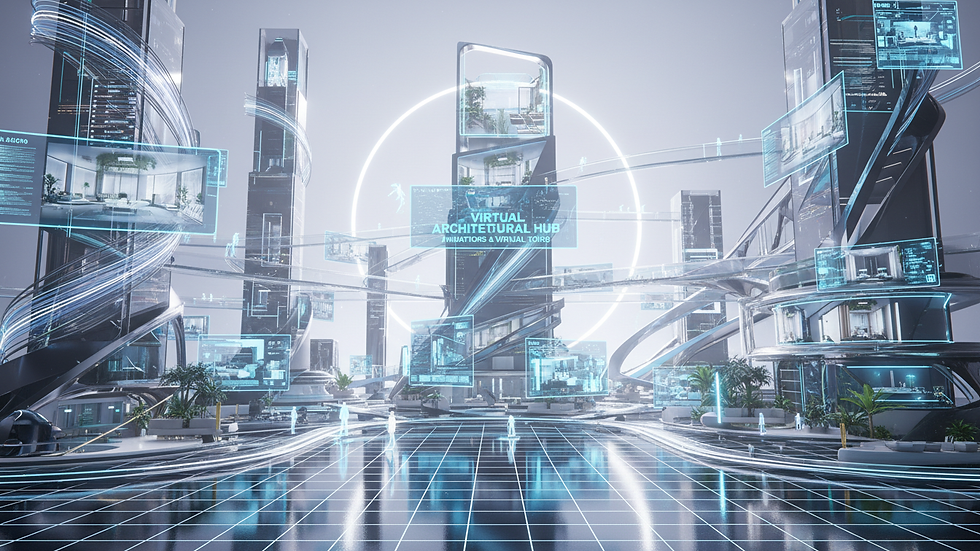
The metaverse, a collective virtual shared space created by the convergence of virtually enhanced physical reality and persistent virtual worlds, is reshaping how architecture is conceived and experienced. For architects, it presents an opportunity to create immersive, interactive models that go beyond traditional blueprints and renderings. This shift is particularly significant in India, where rapid urbanization and technological adoption are creating fertile ground for innovation.
In practical terms, the metaverse allows architects to simulate entire neighborhoods, buildings, and interiors with remarkable detail. Clients can walk through these virtual spaces, providing feedback in real time, which accelerates decision-making and reduces costly revisions. Moreover, the metaverse facilitates collaboration across geographies, enabling Indian architects to work seamlessly with international clients and consultants.
How the Metaverse is Transforming Architectural Practice
The integration of the metaverse into architectural workflows is not just about visualization; it is about creating dynamic, living environments that respond to user interaction. This transformation is evident in several key areas:
Design Innovation: Architects can experiment with forms, materials, and spatial arrangements without the limitations of physical materials or budgets. This freedom encourages bold, creative solutions that might be impractical in the real world.
Client Engagement: Virtual walkthroughs and interactive presentations make it easier for clients to understand and appreciate design intent. This clarity fosters trust and satisfaction.
Sustainability: By simulating environmental impacts and energy use within virtual models, architects can optimize designs for sustainability before construction begins.
Education and Training: The metaverse offers immersive learning environments for architecture students and professionals, enhancing skills through virtual practice and collaboration.
For Indian architects, these benefits align well with the country’s growing emphasis on sustainable development and smart cities. The metaverse can serve as a bridge between traditional architectural values and futuristic urban planning.
What are the 4 Types of Metaverse?
Understanding the different types of metaverse environments helps architects identify where their skills can be most effectively applied. The four primary types include:
Augmented Reality (AR) Metaverse
This type overlays digital content onto the physical world, enhancing real-world environments with virtual elements. Architects can use AR to visualize how new structures will integrate with existing surroundings.
Virtual Reality (VR) Metaverse
Fully immersive digital worlds where users can interact with 3D environments. VR is ideal for detailed architectural walkthroughs and client presentations.
Mixed Reality (MR) Metaverse
A blend of AR and VR, MR allows real and virtual objects to coexist and interact in real time. This technology supports collaborative design sessions where physical models and digital data merge.
Decentralized Metaverse
Built on blockchain technology, this metaverse type emphasizes user ownership and control over digital assets. Architects can create and sell virtual properties or design elements within these decentralized platforms.
Each type offers unique opportunities and challenges, and Indian architects can leverage them according to project needs and client preferences.
Practical Applications of the Metaverse for Indian Architects
The metaverse is not a distant concept but a present reality with tangible applications. Here are some ways Indian architects can harness its potential:
Virtual Real Estate Showcases: Developers can present upcoming projects in immersive virtual environments, attracting buyers and investors from across the globe without physical site visits.
Collaborative Design Platforms: Teams spread across cities like Hyderabad, Mumbai, and Bangalore can co-create designs in real time, reducing delays and enhancing creativity.
Cultural Heritage Preservation: Virtual reconstructions of historical sites can be created for educational purposes and tourism, preserving India’s rich architectural legacy.
Interior Design and Customization: Clients can personalize interiors in the metaverse, experimenting with layouts, colors, and furnishings before finalizing decisions.
By integrating these applications, architects can offer enhanced value to clients and differentiate themselves in a competitive market.

Embracing the Future: Steps for Indian Architects to Enter the Metaverse
To fully capitalize on the metaverse, Indian architects must adopt a strategic approach. Here are actionable recommendations:
Invest in Training and Tools
Familiarize yourself with VR/AR software, 3D modeling, and blockchain basics. Platforms like Unreal Engine, Unity, and Autodesk offer powerful tools for metaverse design.
Build a Portfolio of Virtual Projects
Start by creating virtual models of existing projects or conceptual designs. Showcase these on websites and social media to attract tech-savvy clients.
Collaborate with Tech Experts
Partner with developers, animators, and AI specialists to enhance your offerings. This multidisciplinary approach will be crucial in delivering sophisticated metaverse experiences.
Engage with Industry Networks
Participate in forums, webinars, and conferences focused on the metaverse and digital architecture. Networking will open doors to new opportunities and partnerships.
Leverage Local Market Trends
Align metaverse projects with India’s urban development goals, such as smart cities and affordable housing, to ensure relevance and impact.
By taking these steps, architects can position themselves at the forefront of this digital revolution.
The Metaverse as a Catalyst for Architectural Innovation in India
The metaverse is more than a technological trend; it is a catalyst for rethinking how we design, build, and inhabit spaces. For Indian architects, it offers a unique opportunity to blend tradition with innovation, creating environments that are both culturally resonant and technologically advanced.
As I reflect on the evolving role of architecture in the digital age, I recognize that the metaverse invites us to become storytellers of space in new dimensions. It challenges us to envision not just buildings but experiences that engage all senses and transcend physical boundaries.
The journey into the metaverse is just beginning, and Indian architects stand at the threshold of a new era. By embracing this digital frontier, we can unlock unprecedented creative potential and contribute to shaping the future of the built environment.
For those interested in exploring this further, resources on metaverse for architects in india provide valuable insights and practical guidance.
In this unfolding narrative, the metaverse is not merely a tool but a partner in architectural innovation - a realm where imagination meets technology to craft the spaces of tomorrow.


Comments