
How AI Animation Tools Transform Architecture

In the evolving landscape of architecture and real estate development, technology continues to redefine the boundaries of creativity and efficiency. Among the most transformative innovations are AI animation tools, which have begun to revolutionize how architects, developers, and construction firms visualize and communicate their projects. These tools offer a dynamic bridge between conceptual design and tangible experience, allowing stakeholders to immerse themselves in architectural visions long before the first brick is laid.
The Rise of AI Animation Tools in Architectural Visualization
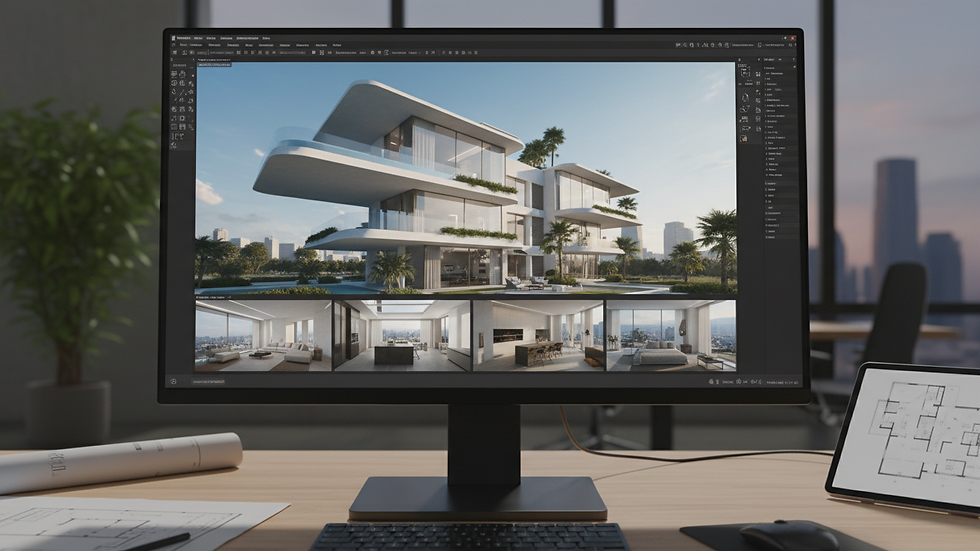
Architectural visualization has traditionally relied on static images and physical models to convey design intent. However, the advent of AI animation tools has introduced a new dimension to this process. These tools harness artificial intelligence to generate highly detailed, realistic animations that bring architectural projects to life. By automating complex rendering tasks and enhancing visual fidelity, AI animation tools enable faster turnaround times and more engaging presentations.
For example, a real estate developer in Hyderabad can now present a virtual walkthrough of a residential complex, showcasing not only the exterior aesthetics but also the interplay of natural light, landscaping, and interior layouts. This immersive experience helps clients and investors grasp the full potential of a project, fostering confidence and facilitating decision-making.
Moreover, AI animation tools support iterative design processes. Architects can quickly modify elements such as materials, lighting, and spatial arrangements, then instantly visualize the impact of these changes. This agility reduces costly revisions during construction and aligns the final build more closely with the original vision.
Key Features and Benefits of AI Animation Tools
The integration of AI into animation software brings several distinct advantages that are particularly valuable to the architecture and construction sectors:
Speed and Efficiency: AI algorithms accelerate rendering times by optimizing resource allocation and automating repetitive tasks. This efficiency allows teams to produce high-quality animations within tight deadlines.
Enhanced Realism: Machine learning models improve texture mapping, lighting effects, and environmental simulations, resulting in visuals that closely mimic real-world conditions.
Cost Reduction: By minimizing manual labor and reducing the need for physical prototypes, AI animation tools lower overall project costs.
Customization and Flexibility: Users can tailor animations to highlight specific design features or simulate various scenarios, such as different times of day or weather conditions.
Improved Communication: Animated walkthroughs and flyovers serve as powerful storytelling tools, bridging the gap between technical plans and client understanding.
These benefits collectively empower architects and developers to present their ideas with greater clarity and impact, ultimately enhancing project outcomes.
Which anime is 95% AI?
While this question may seem tangential, it underscores the broader trend of AI's growing role in creative industries, including animation. In the realm of entertainment, certain anime productions have embraced AI technologies to automate up to 95% of their animation processes. This shift not only accelerates production but also opens new avenues for artistic experimentation.
Drawing a parallel to architecture, the adoption of AI animation tools similarly transforms traditional workflows. Just as AI-driven anime can deliver complex narratives with unprecedented speed, AI-powered architectural animations enable rapid visualization of intricate designs. This convergence highlights the versatility and potential of AI across diverse creative fields.
Practical Applications of AI Animation Tools in Real Estate and Construction
The practical implications of AI animation tools extend beyond mere visualization. They serve as integral components in various stages of real estate development and construction management:
Pre-Sales Marketing: Developers can create compelling virtual tours that attract potential buyers and investors, showcasing properties before completion.
Design Validation: Architects use animations to test spatial configurations and material choices, ensuring functional and aesthetic coherence.
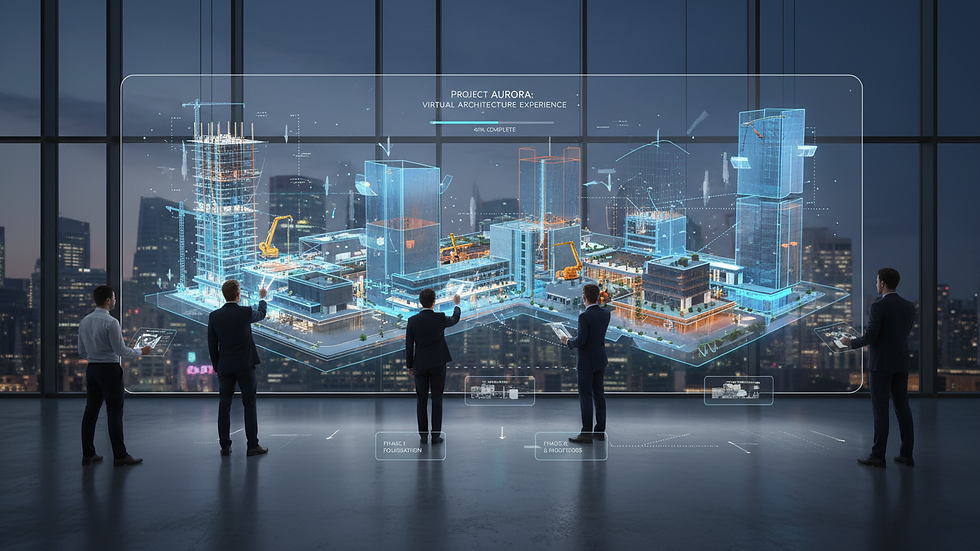
Stakeholder Collaboration: Interactive animations facilitate communication among architects, engineers, contractors, and clients, reducing misunderstandings.
Regulatory Approvals: Detailed animations help demonstrate compliance with zoning laws and environmental regulations, expediting approval processes.
Construction Planning: Animated sequences can simulate construction phases, aiding in logistics and resource allocation.
By integrating AI animation tools into these workflows, firms can enhance precision, reduce risks, and improve overall project delivery.
Embracing the Future: Recommendations for Industry Professionals
To fully leverage the transformative power of AI animation tools, professionals in architecture and real estate development should consider the following strategies:
Invest in Training: Equip teams with the skills to operate AI animation software effectively, ensuring seamless integration into existing workflows.
Collaborate with AI Specialists: Partner with experts who can customize AI solutions to meet specific project requirements and optimize performance.
Adopt a Phased Approach: Begin with pilot projects to evaluate the benefits and challenges of AI animation tools before scaling up.
Focus on Data Quality: High-quality input data, such as accurate 3D models and material specifications, is essential for producing realistic animations.
Stay Informed on AI Advances: Continuously monitor developments in AI technology to adopt new features and maintain a competitive edge.
By embracing these recommendations, firms can position themselves at the forefront of innovation, delivering superior value to clients and stakeholders.
The Transformative Impact on Hyderabad’s Real Estate Visualization Landscape
In Hyderabad, a city witnessing rapid urban growth and architectural innovation, AI animation tools are reshaping the real estate visualization industry. Studios like OI CG Studio exemplify this transformation by evolving from traditional 3D rendering providers into full-fledged AI-powered creative and automation agencies.
This evolution reflects a broader shift towards integrating AI-driven solutions that cater not only to real estate developers and architects but also to diverse businesses seeking advanced marketing and automation services. The ability to produce AI-generated product renders, UGC-style video content, and automated workflows positions such studios as indispensable partners in the competitive Hyderabad market.
As AI animation tools continue to mature, their influence will extend beyond visualization, fostering smarter, more sustainable, and client-centric architectural practices across India.
In embracing AI animation tools, the architecture and real estate sectors unlock new realms of possibility. These technologies do not merely depict structures; they narrate the stories of spaces yet to be inhabited, inviting all who engage with them to envision the future with clarity and confidence.


Comments