
Why India Leads in Architectural Visualization: A Deep Dive into Architectural Visualization in India
- Hitesh kumar Gattani
- Mar 16
- 4 min read

Architectural visualization in India has emerged as a beacon of innovation and creativity in the global design landscape. This dynamic field, which transforms architectural concepts into vivid, immersive visual stories, has found fertile ground in India’s rich cultural tapestry and burgeoning technological ecosystem. As someone deeply engaged with this industry, I have observed how India’s unique blend of talent, technology, and tradition propels it to the forefront of architectural visualization worldwide.
The Rise of Architectural Visualization in India
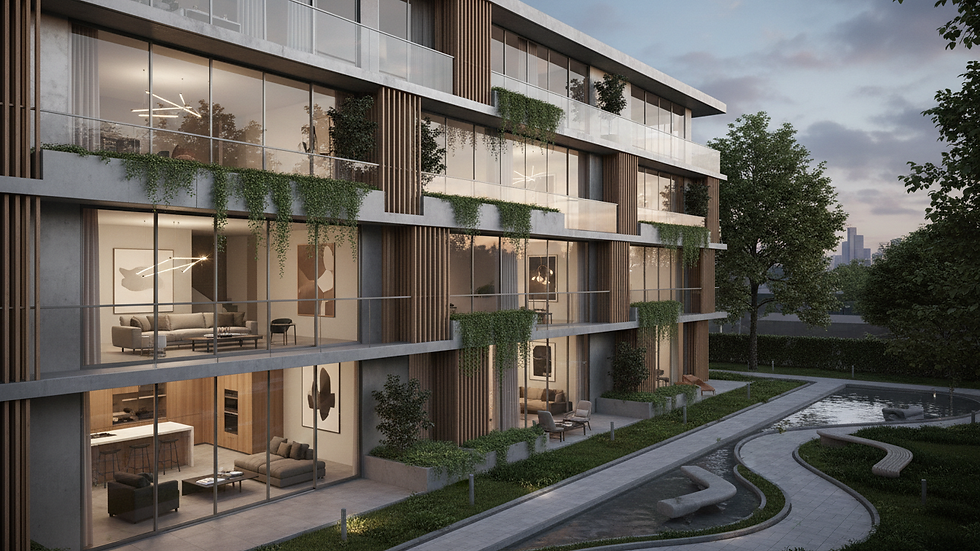
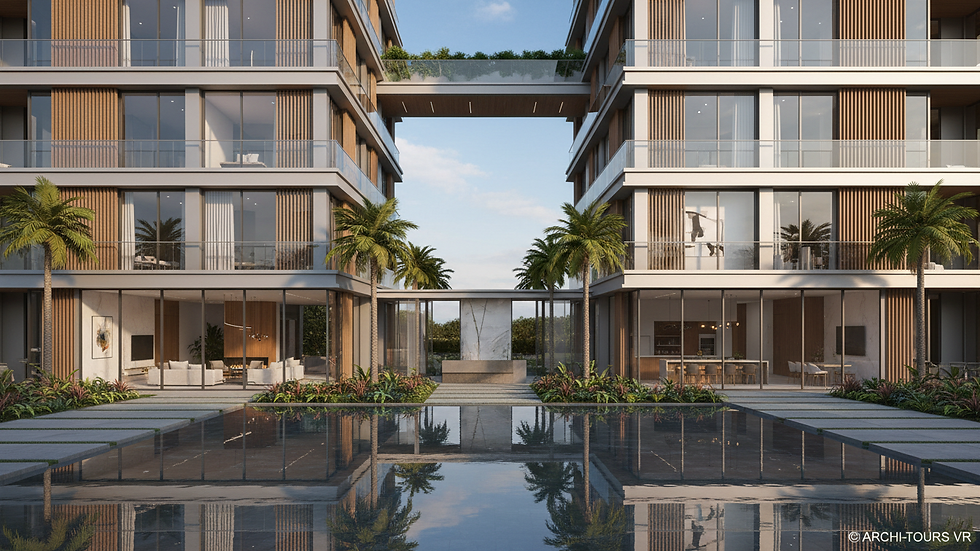
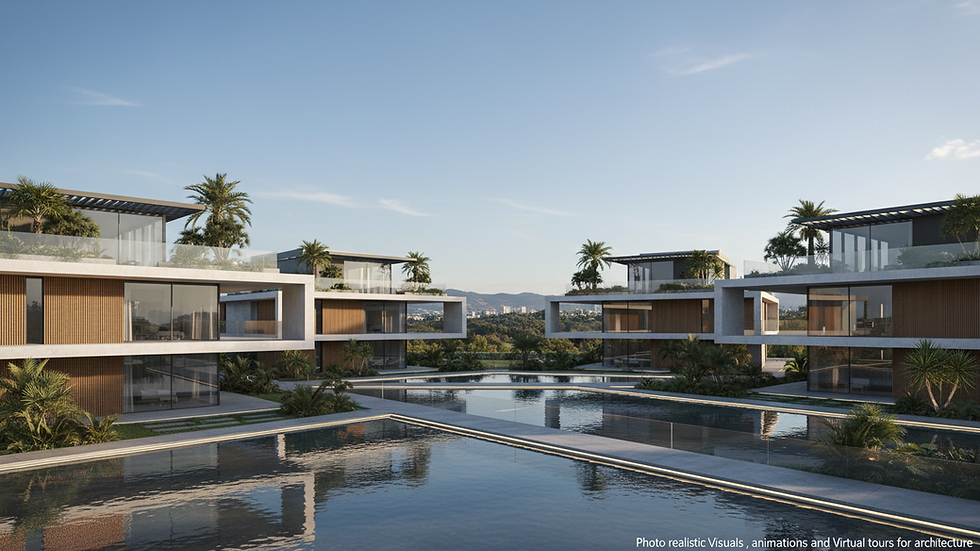
India’s architectural visualization sector has witnessed exponential growth over the past decade. This surge is not merely a byproduct of technological advancement but a reflection of the country’s evolving architectural ambitions. Real estate developers and architects increasingly rely on high-quality visualizations to communicate their visions effectively to clients and stakeholders.
The demand for photorealistic renderings, 3D walkthroughs, and virtual reality experiences has skyrocketed, driven by the need to showcase projects before they materialize physically. This trend is particularly pronounced in metropolitan hubs like Hyderabad, Mumbai, and Bangalore, where real estate development is both rapid and competitive.
Several factors contribute to this rise:
Skilled Workforce: India boasts a vast pool of talented artists, designers, and animators who specialize in architectural visualization.
Cost Efficiency: Competitive pricing without compromising quality makes India an attractive destination for outsourcing visualization projects.
Technological Infrastructure: Access to cutting-edge software and hardware enables the creation of sophisticated visual content.
Cultural Diversity: India’s rich architectural heritage inspires innovative design approaches and storytelling techniques.

Architectural Visualization in India: A Blend of Art and Technology
At the heart of architectural visualization in India lies a harmonious blend of artistic sensibility and technological prowess. This synergy allows for the creation of visuals that are not only technically accurate but also emotionally engaging.
Indian visualization studios excel in crafting narratives that resonate with diverse audiences. They understand that architecture is more than structures; it is about spaces that evoke feelings and experiences. This understanding translates into visualizations that capture light, texture, and atmosphere with remarkable fidelity.
Moreover, Indian firms invest heavily in training and development, ensuring their teams stay abreast of the latest trends and tools. From Autodesk 3ds Max and V-Ray to Unreal Engine and Lumion, the adoption of advanced software is widespread. This technical expertise is complemented by a strong foundation in traditional art forms, which enriches the creative process.
The result is a portfolio of work that ranges from sleek urban high-rises to culturally nuanced heritage restorations, each rendered with precision and passion.
The Role of Innovation and Collaboration
Innovation is a cornerstone of India’s leadership in architectural visualization. Studios continuously experiment with new techniques such as augmented reality (AR), virtual reality (VR), and artificial intelligence (AI) to enhance client engagement and project understanding.
Collaboration also plays a pivotal role. Indian visualization companies often work closely with architects, engineers, and real estate developers to ensure that every detail aligns with the project’s vision and feasibility. This integrated approach minimizes revisions and accelerates project timelines.
For example, the use of VR walkthroughs allows clients to virtually explore a property before construction begins, providing invaluable feedback that shapes the final design. Such immersive experiences are becoming standard practice, setting Indian firms apart on the global stage.
In this context, it is worth noting the presence of top arch viz companies in india that exemplify these qualities, offering world-class services that cater to residential, commercial, and retail sectors alike.

Practical Recommendations for Leveraging Architectural Visualization
For real estate developers and architects aiming to harness the full potential of architectural visualization, several practical steps can enhance outcomes:
Early Integration: Incorporate visualization early in the design process to identify potential issues and refine concepts.
Clear Communication: Maintain open channels between visualization teams and project stakeholders to ensure alignment.
Invest in Quality: Prioritize studios with proven expertise and a strong portfolio to guarantee high-quality deliverables.
Embrace New Technologies: Explore AR and VR to provide immersive client experiences that differentiate your projects.
Cultural Context: Leverage local architectural styles and cultural elements to create visuals that resonate with target audiences.
By following these guidelines, developers and architects can not only improve project presentations but also accelerate decision-making and secure client confidence.
The Future Landscape of Architectural Visualization in India
Looking ahead, architectural visualization in India is poised for even greater advancements. The convergence of AI-driven design tools, cloud computing, and real-time rendering promises to revolutionize how projects are visualized and experienced.
Furthermore, as sustainability becomes a central concern, visualization will play a critical role in demonstrating eco-friendly design features and energy-efficient solutions. Indian studios are already exploring ways to integrate environmental data into their visualizations, helping clients make informed choices.
The ongoing digital transformation in India’s real estate sector, coupled with the country’s demographic dividend, ensures a steady influx of fresh talent and innovative ideas. This vibrant ecosystem will continue to nurture creativity and technical excellence, solidifying India’s position as a global leader in architectural visualization.
In this evolving landscape, agencies like OI CG Studio in Hyderabad are setting benchmarks by transforming real estate concepts into stunning visual stories that captivate and inspire.
Embracing the Visual Future of Architecture
The journey of architectural visualization in India is a testament to the power of vision, skill, and collaboration. It is a field where imagination meets precision, and where every pixel tells a story of possibility.
As the industry advances, the role of visualization will only deepen, becoming an indispensable tool for shaping the built environment. For those engaged in real estate development and architecture, embracing this visual future is not merely an option but a strategic imperative.
India’s leadership in this domain offers a compelling example of how creativity and technology can converge to redefine the way we conceive, communicate, and construct our spaces. It is a narrative of progress that continues to unfold, inviting all stakeholders to participate in crafting the skylines of tomorrow.
Comments