
Revolutionizing Property Marketing with CGI Property Marketing Benefits
- Hitesh kumar Gattani
- 6 days ago
- 4 min read

In the evolving landscape of real estate marketing, the integration of computer-generated imagery (CGI) has emerged as a transformative force. As someone deeply involved in this industry, I have witnessed firsthand how CGI reshapes the way properties are presented and perceived. This technology offers a compelling visual narrative that transcends traditional marketing methods, enabling developers, architects, and construction firms to showcase their projects with unprecedented clarity and allure.
The Growing Importance of CGI Property Marketing Benefits
The real estate sector in India, particularly in metropolitan hubs like Hyderabad, is witnessing rapid growth and fierce competition. In such a dynamic environment, the ability to captivate potential buyers and investors early in the development process is crucial. CGI property marketing benefits extend beyond mere aesthetics; they provide a strategic advantage by offering:
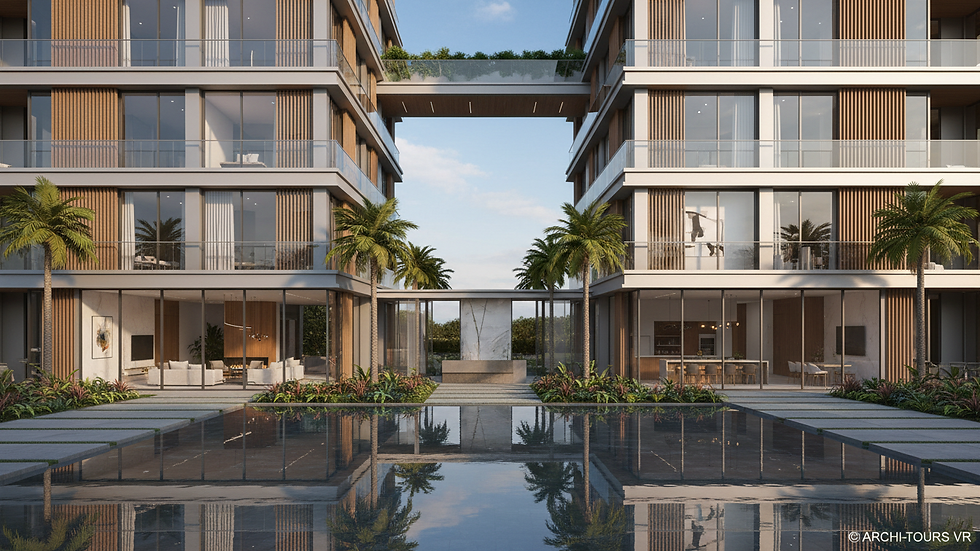
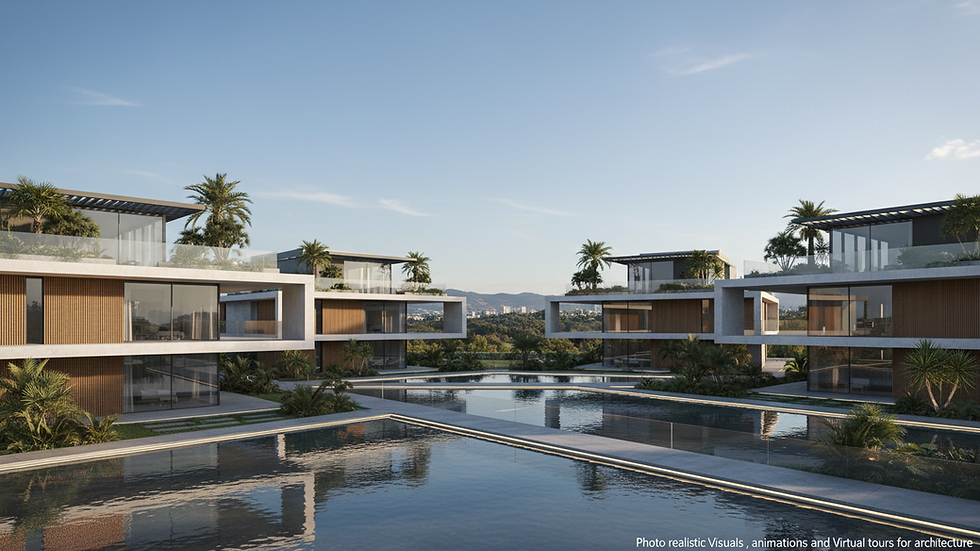
Realistic visualizations that help clients envision the final product.
Cost-effective alternatives to physical models and staged showrooms.
Flexibility to modify designs quickly based on feedback.
Enhanced storytelling through immersive animations and walkthroughs.
These advantages not only streamline the sales cycle but also build trust and excitement around projects that are often still on paper.
How CGI Transforms Property Marketing in India
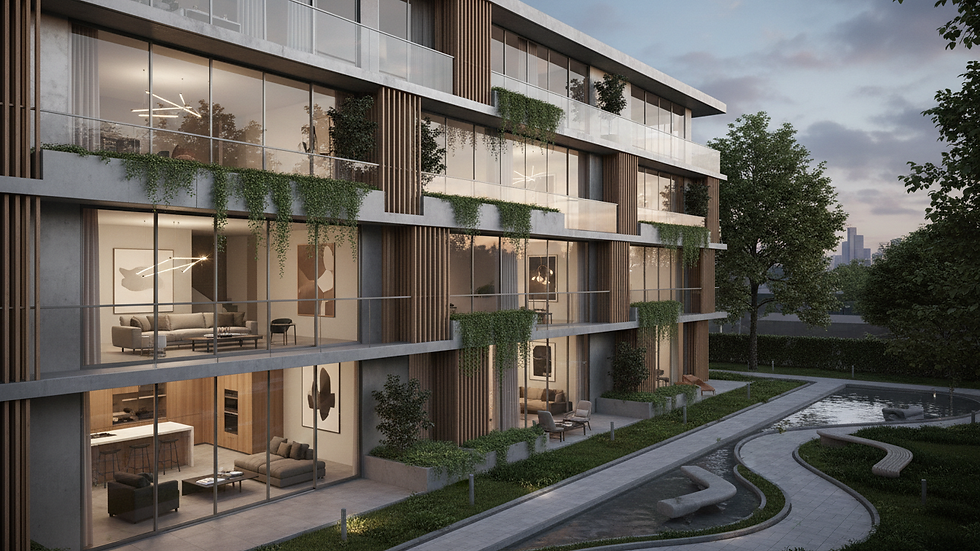
India’s real estate market is uniquely complex, with diverse buyer preferences and regulatory challenges. CGI technology addresses these intricacies by enabling developers to present their projects in a universally understandable format. For example, a high-rise apartment complex in Hyderabad can be rendered with precise lighting, textures, and landscaping that reflect the local environment and cultural aesthetics.
Moreover, CGI allows for the creation of multiple design variants without the need for costly physical alterations. This adaptability is invaluable when catering to different market segments or responding to evolving urban planning regulations. The ability to simulate day and night views, seasonal changes, and even interior furnishing options provides a comprehensive experience that static images or brochures cannot match.
In my experience, integrating CGI into marketing strategies has led to higher engagement rates and faster decision-making among buyers. The immersive quality of 3D walkthroughs and virtual tours bridges the gap between imagination and reality, making it easier for clients to commit to purchases.
Practical Applications and Examples of CGI in Real Estate
The practical applications of CGI in property marketing are vast and varied. Here are some specific examples that illustrate its impact:
Pre-Launch Marketing: Developers can showcase upcoming projects months or even years before construction begins. This early visibility attracts investors and secures pre-bookings.
Interior Visualization: CGI enables detailed interior designs, allowing buyers to customize finishes, furniture, and layouts virtually.
Urban Planning Presentations: Large-scale developments benefit from CGI models that demonstrate how new constructions integrate with existing infrastructure and community spaces.
Marketing Collateral: High-quality renders and animations enhance brochures, websites, and social media campaigns, making them more engaging and informative.
These applications are not limited to residential properties. Commercial spaces, retail outlets, and hospitality projects also gain from CGI’s ability to communicate design intent clearly and attractively.

Embracing AI and Automation in CGI for Property Marketing India
The future of property marketing lies at the intersection of CGI and artificial intelligence. As the industry evolves, AI-powered tools are enhancing the efficiency and creativity of CGI production. Automation accelerates rendering times, optimizes workflows, and enables personalized marketing content tailored to specific buyer profiles.
In Hyderabad and across India, studios like ours are pioneering this integration, offering not only 3D rendering and animation but also AI-driven marketing solutions. These innovations allow real estate developers and architects to focus on design and client engagement while leveraging technology to handle repetitive tasks and data analysis.
By adopting AI-enhanced CGI, businesses can produce more dynamic and interactive content, such as AI-generated virtual staging and user-generated content (UGC)-style video ads. This approach not only enriches the buyer experience but also aligns with modern digital marketing trends, ensuring properties stand out in a crowded marketplace.
For those interested in exploring this cutting-edge approach, cgi for property marketing india provides a comprehensive gateway to the latest tools and techniques.
Strategic Recommendations for Leveraging CGI in Real Estate Marketing
To maximize the benefits of CGI in property marketing, I recommend the following strategic steps:
Invest in High-Quality Visuals: Prioritize photorealistic renders and animations that accurately reflect the project’s design and ambiance.
Integrate Virtual Reality (VR): Offer immersive VR experiences to allow clients to explore properties interactively.
Customize Content for Target Audiences: Tailor CGI presentations to highlight features that resonate with specific buyer demographics.
Collaborate Closely with Designers: Ensure that CGI artists work hand-in-hand with architects and interior designers for authentic representations.
Leverage Social Media and Digital Platforms: Use CGI content to create engaging campaigns that reach wider audiences efficiently.
Monitor and Adapt: Use analytics to track engagement and refine CGI content based on feedback and market trends.
By following these guidelines, real estate professionals can harness the full potential of CGI to enhance their marketing efforts and achieve superior results.
The Future Landscape of Property Marketing in India
As technology continues to advance, the role of CGI in property marketing will only deepen. The convergence of AI, machine learning, and immersive media promises to create even more sophisticated tools for visualization and client interaction. This evolution will empower developers and architects to tell richer stories about their projects, fostering stronger emotional connections with buyers.
In this journey, studios that embrace innovation and maintain a focus on quality and client collaboration will lead the way. The transformation underway is not merely about technology but about reimagining how real estate is communicated and experienced.
Ultimately, CGI is not just a marketing tool; it is a bridge between vision and reality, enabling the dreams of developers and buyers alike to take shape with clarity and confidence.


Comments