
Using CGI for Effective Property Marketing: Elevating Sales with CGI for Property Sales
- Hitesh kumar Gattani
- Jun 18
- 4 min read

In the evolving landscape of real estate marketing, the integration of technology has become indispensable. Among the most transformative tools is Computer-Generated Imagery (CGI), which has revolutionised how properties are presented to potential buyers and investors. CGI for property sales offers a compelling visual narrative that transcends traditional photography and static blueprints, enabling a vivid, immersive experience that captures the imagination and interest of discerning clients.
The Power of CGI for Property Sales
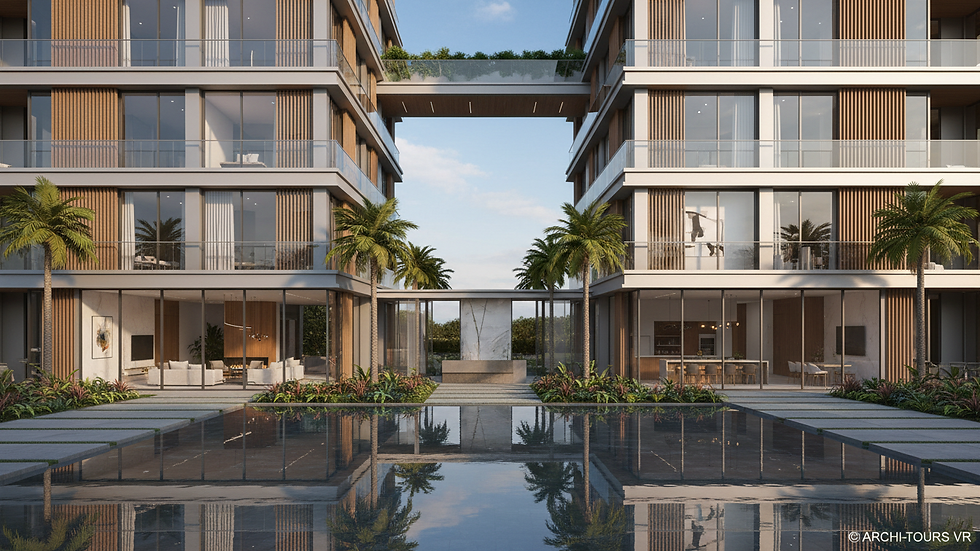
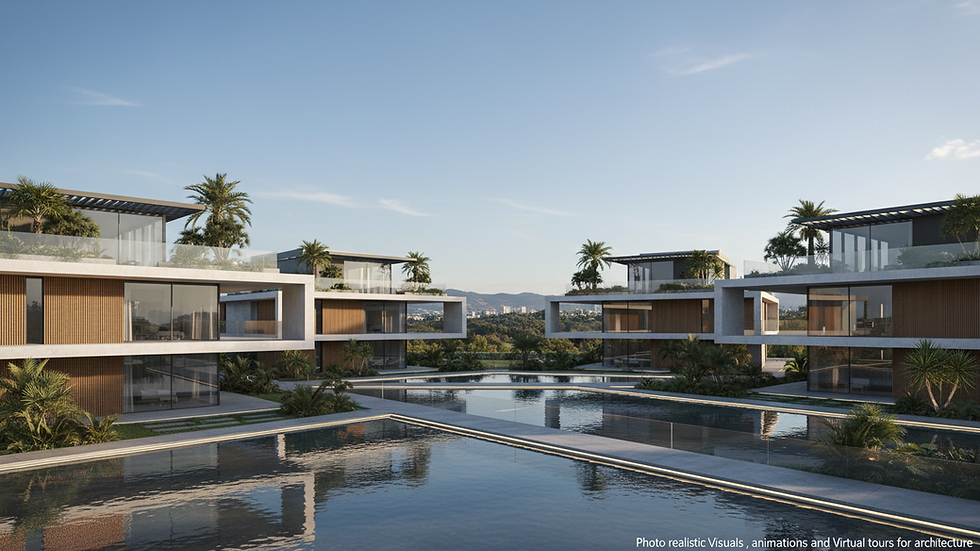
CGI technology allows developers and architects to showcase properties in their full potential before construction even begins. This capability is particularly valuable in a market where first impressions can dictate the success of a project. Through photorealistic renderings, virtual walkthroughs, and interactive 3D models, CGI breathes life into architectural concepts, making them tangible and relatable.
For instance, a residential complex can be visualised with accurate lighting, textures, and landscaping, providing a realistic preview that helps buyers envision their future home. Commercial spaces benefit similarly, as CGI can highlight functional layouts and aesthetic appeal, aiding investors in understanding the value proposition clearly.
Practical recommendations for leveraging CGI in property sales include:
Collaborating closely with CGI artists to ensure architectural accuracy.
Using CGI visuals across multiple platforms such as websites, social media, and sales brochures.
Incorporating virtual reality (VR) experiences to deepen engagement.
Updating CGI content regularly to reflect design changes or new project phases.

Harnessing CGI for Property Sales: Strategies and Benefits
The strategic use of CGI in property sales is not merely about aesthetics; it is a powerful marketing tool that enhances communication and decision-making. By presenting properties through CGI, developers can:
Reduce sales cycles by providing clear, compelling visuals that answer buyer questions upfront.
Expand market reach by enabling remote viewing, which is especially crucial in today’s globalised real estate market.
Minimise costly changes by identifying design flaws or client preferences early through visual feedback.
Create emotional connections by illustrating lifestyle possibilities within the property environment.
Moreover, CGI facilitates the creation of customised marketing materials tailored to different buyer personas. For example, a luxury apartment might be showcased with elegant interior designs and ambient lighting, while a commercial property could emphasise functionality and accessibility.
The integration of CGI also supports sustainable marketing practices by reducing the need for physical models and printed materials, aligning with environmentally conscious business values.

What are the big 4 companies in real estate?
In the context of real estate marketing and development, the "Big 4" companies often refer to the leading global firms that set industry standards through innovation, scale, and influence. These companies typically include:
CBRE Group, Inc. - Renowned for its comprehensive real estate services and global reach.
JLL (Jones Lang LaSalle) - Known for its expertise in property management and investment management.
Cushman & Wakefield - Specialises in commercial real estate services with a strong emphasis on technology integration.
Colliers International - Offers a broad spectrum of real estate services with a focus on client-centric solutions.
These firms frequently utilise advanced CGI and visualization technologies to enhance their marketing strategies, setting benchmarks for others in the industry. Their adoption of CGI underscores its importance in creating compelling property narratives that resonate with diverse stakeholders.
Integrating CGI into the Indian Real Estate Market
The Indian real estate sector is witnessing a significant transformation with the adoption of digital tools like CGI. The demand for high-quality visualisation is growing, driven by increasing competition and the need to attract a more discerning clientele. In this context, cgi for property marketing india emerges as a vital resource for developers and architects seeking to elevate their marketing efforts.
CGI enables Indian developers to present projects with clarity and sophistication, overcoming challenges such as site accessibility and incomplete construction. It also supports regulatory approvals by providing detailed visual documentation of proposed developments.
To maximise the benefits of CGI in India, it is advisable to:
Partner with local CGI studios familiar with regional architectural styles and market preferences.
Utilise CGI to highlight unique selling points such as sustainable features or cultural design elements.
Leverage CGI content in multilingual marketing campaigns to reach diverse buyer segments.
This approach not only enhances the appeal of properties but also builds trust and transparency with potential buyers.
Future Trends in CGI for Property Marketing
Looking ahead, the role of CGI in property marketing is poised to expand further, driven by advancements in technology and changing consumer expectations. Emerging trends include:
Augmented Reality (AR) Integration: Allowing clients to overlay virtual property elements onto real-world environments using smartphones or AR glasses.
AI-Enhanced Visualisation: Automating the creation of customised CGI content based on user preferences and market data.
Interactive 3D Environments: Enabling users to modify design elements in real-time, fostering a participatory sales process.
Sustainability Visualisation: Demonstrating energy efficiency and eco-friendly features through dynamic CGI presentations.
These innovations promise to deepen engagement and provide even more personalised experiences, making property marketing not just informative but truly immersive.
Embracing CGI as a Strategic Asset
In the intricate dance of real estate marketing, CGI serves as a masterful choreographer, orchestrating visual elements to tell a compelling story. For developers and architects, embracing this technology is not merely an option but a strategic imperative. It empowers them to transcend the limitations of traditional marketing, offering a window into the future that is both vivid and convincing.
By investing in high-quality CGI, stakeholders can unlock new avenues for client engagement, accelerate sales processes, and ultimately, realise the full potential of their projects. As the market continues to evolve, those who harness the power of CGI will find themselves at the forefront of innovation, crafting visual stories that captivate and convert with unparalleled effectiveness.

Comments