
Understanding Real Estate Visualization Costs in India
- Hitesh kumar Gattani
- Mar 9
- 5 min read

In the evolving landscape of real estate development, visualization has emerged as a pivotal tool. It transforms abstract blueprints into vivid, tangible experiences, allowing stakeholders to perceive the final product before a single brick is laid. However, understanding the costs associated with real estate visualization in India requires a nuanced approach. It is not merely about numbers but about the value embedded in each pixel and frame. This article delves into the intricacies of real estate visualization costs, offering clarity and insight for those seeking to invest wisely in this domain.
The Importance of Real Estate Visualization Costs
Real estate visualization costs are more than just an expense; they represent an investment in communication and marketing. Visualization bridges the gap between imagination and reality, enabling developers and architects to showcase their projects with precision and allure. The costs involved reflect the complexity, quality, and scope of the visualization services rendered.
In India, where the real estate market is both vast and diverse, these costs can vary significantly. Factors such as project scale, level of detail, technology used, and the expertise of the visualization studio all play crucial roles. For instance, a high-rise commercial complex in Mumbai will demand a different visualization approach compared to a residential villa in Hyderabad.
Understanding these costs helps in budgeting effectively and ensures that the visualization aligns with the project's goals. It also aids in selecting the right partner who can deliver compelling visual narratives without compromising on quality or creativity.

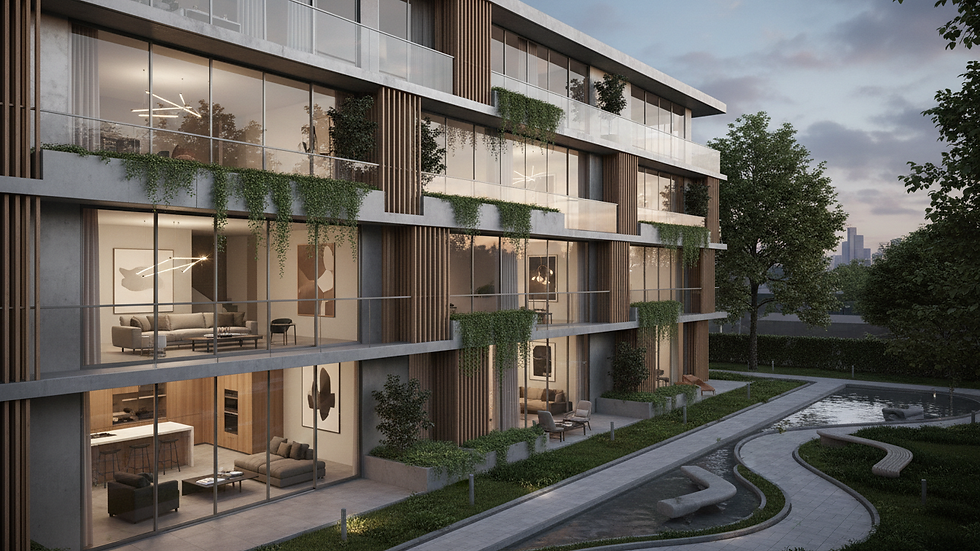
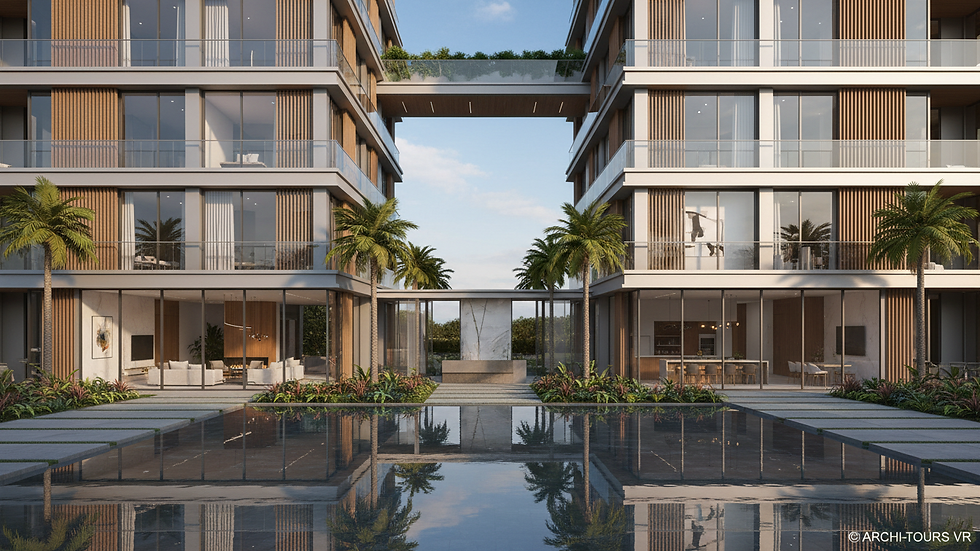
Real estate visualization brings architectural concepts to life, enhancing project appeal.
Factors Influencing Real Estate Visualization Costs
Several elements influence the overall cost of real estate visualization in India. Recognizing these factors allows for better planning and decision-making.
Project Complexity
The intricacy of the design directly impacts the cost. Complex structures with unique architectural features require more detailed modeling and rendering, increasing the time and resources needed.
Type of Visualization
2D Renderings: These are static images that provide a basic visual representation. They are generally more affordable but less immersive.
3D Renderings: Offering depth and realism, 3D images are more engaging but come at a higher price.
3D Walkthroughs and Animations: These dynamic visualizations provide an interactive experience, often used for high-end projects, and are the most expensive.
Level of Detail
The inclusion of textures, lighting effects, landscaping, and interior elements adds to the realism but also increases costs.
Technology and Software
Advanced software and rendering engines enhance quality but require skilled professionals and longer processing times.
Turnaround Time
Projects with tight deadlines may incur additional charges due to the need for expedited work.
Studio Expertise and Location
Established studios with a strong portfolio may charge premium rates. Additionally, studios based in metropolitan areas like Hyderabad or Bangalore might have different pricing compared to those in smaller cities.
By carefully evaluating these factors, one can anticipate the budget required and choose services that best fit the project’s vision and financial framework.
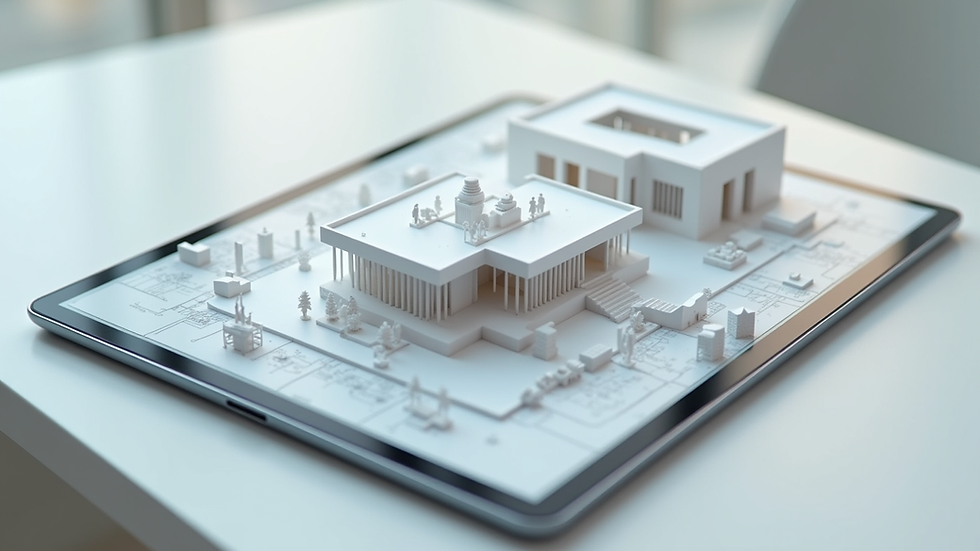
Detailed 3D models require advanced technology and skilled craftsmanship.
How much does architectural visualization cost?
Determining the exact cost of architectural visualization is a multifaceted process. In India, prices can range widely depending on the scope and sophistication of the project.
Basic 2D Renderings: Starting from INR 5,000 to INR 15,000 per image, these are suitable for initial presentations and simple marketing materials.
3D Still Images: Typically priced between INR 15,000 and INR 50,000 per image, these offer a more realistic portrayal with enhanced details.
3D Walkthroughs and Animations: These immersive experiences can cost anywhere from INR 1,00,000 to INR 5,00,000 or more, depending on length, complexity, and quality.
It is essential to note that these figures are indicative and can fluctuate based on the studio’s reputation, project location, and specific client requirements. For example, a luxury residential project in Hyderabad might command higher visualization costs due to the demand for premium quality and intricate detailing.
Engaging with a creative agency that understands the local market dynamics and possesses a robust portfolio can ensure that the investment in visualization yields substantial returns in terms of client engagement and project success.
Practical Recommendations for Managing Visualization Costs
To optimize the expenditure on real estate visualization, consider the following strategies:
Define Clear Objectives
Establish what you want to achieve with the visualization. Is it for investor presentations, marketing campaigns, or design validation? Clear goals help in selecting the appropriate type and level of visualization.
Prioritize Key Areas
Focus on visualizing the most critical aspects of the project. For instance, emphasize the façade and common areas in residential projects or the retail spaces in commercial developments.
Leverage Phased Visualization
Start with basic renderings and progressively move to more detailed visualizations as the project advances. This approach spreads costs over time and allows for iterative feedback.
Choose Experienced Studios
Collaborate with agencies that have proven expertise in real estate visualization. Their efficiency and quality can reduce rework and ensure timely delivery.
Negotiate Packages
Many studios offer bundled services at discounted rates. Combining 3D images with walkthroughs or animations can be cost-effective.
Utilize Technology Wisely
Employing the latest software and hardware can speed up production and enhance quality, ultimately providing better value for money.
By implementing these recommendations, one can achieve a balance between cost and quality, ensuring that the visualization serves as a powerful asset in the project’s lifecycle.
The Future of Real Estate Visualization in India
The trajectory of real estate visualization in India is poised for remarkable growth. As technology advances, the integration of virtual reality (VR), augmented reality (AR), and artificial intelligence (AI) is becoming increasingly prevalent. These innovations promise even more immersive and interactive experiences, transforming how projects are conceived, marketed, and sold.
Studios like OI CG Studio in Hyderabad exemplify this evolution, blending creativity with cutting-edge technology to craft visual stories that captivate and convince. Their world-class visualization services cater to residential, commercial, and retail sectors, setting new benchmarks in the industry.
Investing in high-quality visualization is no longer a luxury but a necessity. It enhances transparency, reduces misunderstandings, and accelerates decision-making. As the market matures, the emphasis on detailed, realistic, and engaging visual content will only intensify.
For those navigating the complexities of real estate development, understanding the nuances of real estate visualization cost india is crucial. It empowers informed choices that align with both artistic vision and financial prudence.

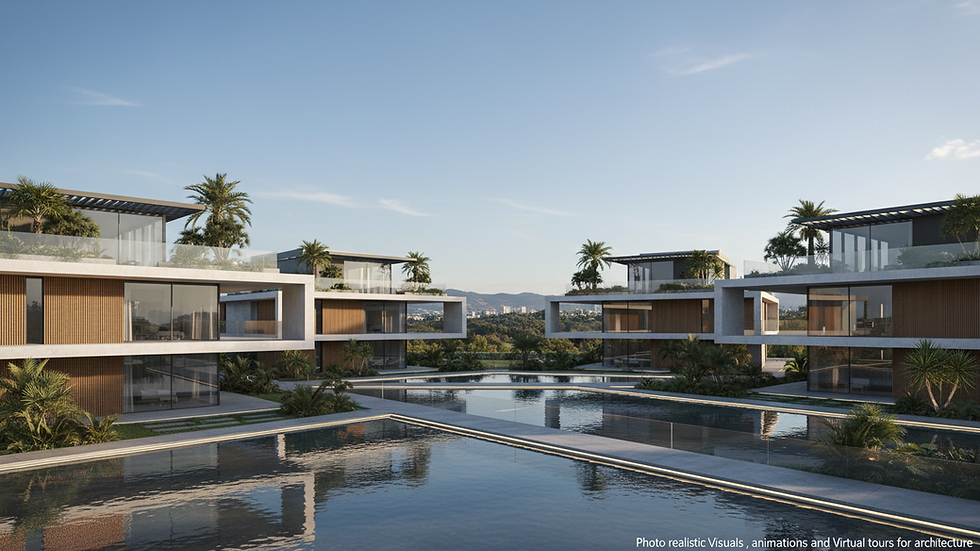
Virtual reality is shaping the future of real estate visualization, offering immersive experiences.
Embracing Visualization as a Strategic Asset
In the grand tapestry of real estate development, visualization is a thread that weaves clarity, appeal, and confidence. It transforms abstract plans into compelling narratives that resonate with investors, buyers, and stakeholders alike.
By comprehending the factors influencing real estate visualization costs and adopting strategic approaches, one can harness this tool to its fullest potential. The journey from concept to creation becomes not only more transparent but also more inspiring.
As the industry continues to evolve, embracing visualization as a strategic asset will distinguish successful projects from the rest. It is an investment that pays dividends in trust, engagement, and ultimately, in the realization of architectural dreams.
Comments