
Understanding CGI's Role in Architectural Design: Exploring CGI Visualization Techniques
- Hitesh kumar Gattani
- Jun 18
- 4 min read

In the evolving landscape of architectural design, the integration of computer-generated imagery (CGI) has become indispensable. CGI visualization techniques have transformed the way architects and real estate developers conceive, communicate, and market their projects. These digital tools offer a bridge between abstract blueprints and tangible experiences, allowing stakeholders to immerse themselves in future spaces before a single brick is laid. As I delve into this subject, I aim to illuminate the multifaceted role of CGI in architectural design, highlighting its practical applications and the profound impact it has on the industry.
The Emergence of CGI Visualization Techniques in Architecture
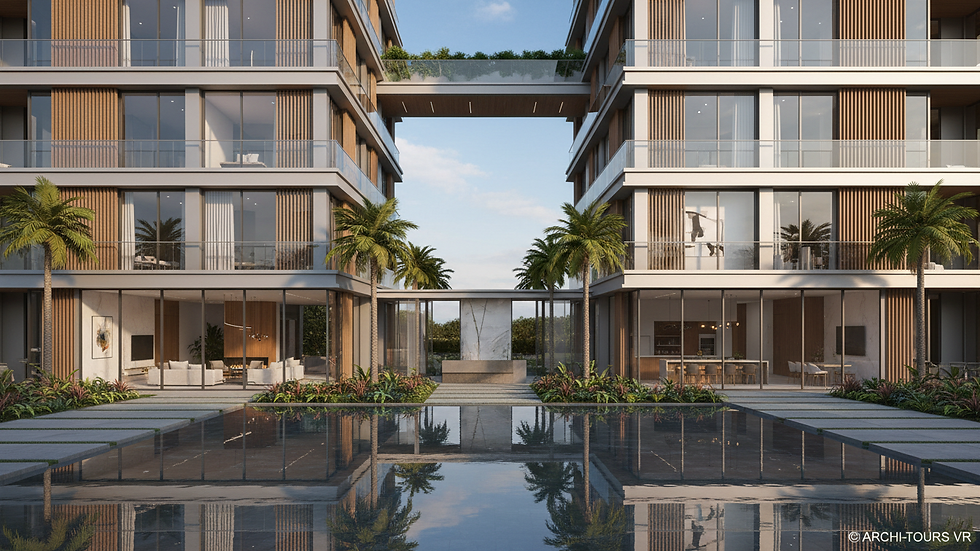
The architectural profession has long relied on drawings, physical models, and photographs to convey design intent. However, these traditional methods often fall short in capturing the full essence of a project. CGI visualization techniques have emerged as a powerful alternative, enabling the creation of photorealistic images and animations that bring architectural concepts to life.
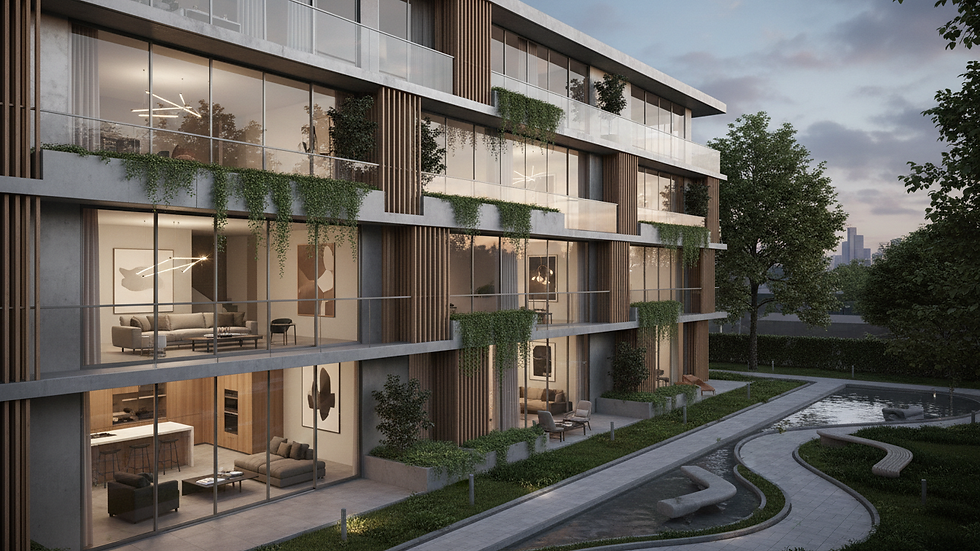
At its core, CGI involves the use of sophisticated software to generate three-dimensional representations of buildings and environments. These visualizations can range from static renderings to dynamic walkthroughs, each serving a unique purpose in the design and marketing process. For instance, a high-resolution rendering can showcase the interplay of light and shadow on a building’s facade, while an animated flythrough can simulate the experience of moving through a space.
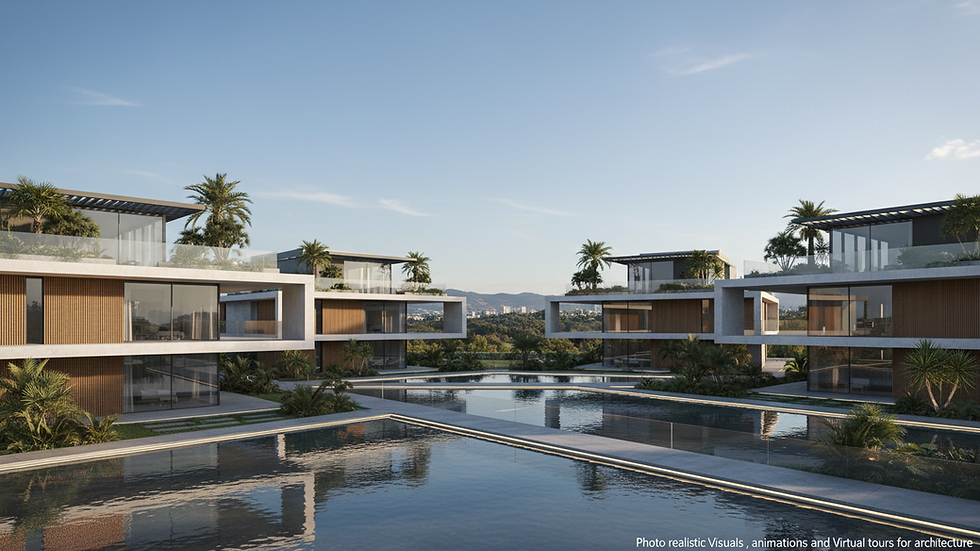
The adoption of CGI visualization techniques has been particularly transformative for real estate developers. By presenting potential buyers with vivid, immersive visuals, developers can generate excitement and confidence in their projects. This not only accelerates sales cycles but also reduces the uncertainty often associated with purchasing off-plan properties.

Key CGI Visualization Techniques Shaping Architectural Design
Understanding the specific CGI visualization techniques employed in architectural design is essential for appreciating their value. These techniques encompass a variety of methods, each tailored to different stages of the design and marketing process.
3D Modeling
The foundation of any CGI visualization is a detailed 3D model. Architects and designers create these models using software such as Autodesk 3ds Max, SketchUp, or Rhino. The model serves as a digital skeleton, capturing every architectural element from structural components to intricate details like window frames and textures.
Texturing and Material Mapping
Once the model is complete, textures and materials are applied to simulate real-world surfaces. This step is crucial for achieving realism, as it defines how surfaces interact with light. For example, the reflective quality of glass or the roughness of brick can be accurately depicted.
Lighting and Rendering
Lighting is a subtle yet powerful tool in CGI visualization. By simulating natural and artificial light sources, artists can create moods and highlight architectural features. Rendering engines such as V-Ray or Corona Renderer process these elements to produce high-quality images or animations.
Virtual Reality (VR) and Augmented Reality (AR)
Beyond static images, VR and AR technologies offer immersive experiences. Clients can virtually walk through a building or overlay digital models onto physical sites, enhancing spatial understanding and engagement.
Post-Production Enhancements
After rendering, images often undergo post-production to adjust colors, add environmental elements, or incorporate people and landscaping. This final polish ensures the visualization resonates emotionally and contextually with viewers.
These techniques collectively enable architects and developers to communicate complex ideas with clarity and precision. They also facilitate iterative design processes, allowing for rapid modifications based on client feedback or regulatory requirements.
The Strategic Advantage of CGI in Real Estate Development
The strategic deployment of CGI visualization techniques extends beyond mere aesthetics. It plays a pivotal role in decision-making, marketing, and stakeholder collaboration.
Enhanced Client Communication
Visualizations translate technical jargon into accessible imagery. Clients can better understand spatial relationships, scale, and design intent, leading to more informed decisions.
Risk Mitigation and Cost Efficiency
By visualizing projects early, potential design flaws or conflicts can be identified and resolved before construction begins. This proactive approach reduces costly revisions and delays.
Marketing and Sales Acceleration
High-quality CGI images and videos serve as compelling marketing assets. They attract potential buyers and investors by showcasing the lifestyle and ambiance associated with a development.
Regulatory Approvals and Public Engagement
Visualizations can be instrumental in securing planning permissions and community support. They provide clear representations of how a project integrates with its surroundings.
For example, a commercial complex in Hyderabad leveraged CGI walkthroughs to demonstrate its sustainable design features and pedestrian-friendly layout. This not only impressed regulatory bodies but also attracted tenants aligned with green building principles.
In this context, partnering with a skilled creative agency such as oi cg studio hyderabad can be invaluable. Their expertise in crafting world-class visual stories ensures that real estate concepts are communicated with both technical accuracy and artistic flair.

Practical Recommendations for Integrating CGI into Architectural Projects
To harness the full potential of CGI visualization techniques, certain best practices should be observed throughout the project lifecycle.
Early Integration
Incorporate CGI at the conceptual stage to explore design options and gather stakeholder input. Early visualizations can guide the creative process and prevent costly changes later.
Collaborative Workflow
Foster close collaboration between architects, CGI artists, and marketing teams. Clear communication ensures that visualizations align with design intent and business objectives.
Focus on Realism and Context
Strive for photorealism while situating projects within their environmental and cultural context. This enhances credibility and emotional connection.
Leverage Interactive Technologies
Utilize VR and AR to provide immersive experiences, especially for complex or large-scale developments. Interactive models can engage clients more deeply than static images.
Continuous Updates
Keep visualizations current with design revisions and market trends. Updated visuals maintain relevance and support ongoing marketing efforts.
By adhering to these guidelines, architectural firms and developers can maximize the impact of CGI, transforming abstract ideas into compelling narratives that resonate with diverse audiences.
Embracing the Future of Architectural Visualization
As technology advances, the role of CGI in architectural design will only deepen. Emerging trends such as artificial intelligence-driven rendering, real-time visualization, and integration with Building Information Modeling (BIM) promise to enhance efficiency and creativity.
The journey toward more immersive and accurate representations of architectural projects is ongoing. By embracing these innovations, the industry can continue to elevate the standards of design communication and client engagement.
In this dynamic environment, the expertise of creative agencies like oi cg studio hyderabad becomes increasingly vital. Their ability to blend technical proficiency with artistic vision positions them as essential partners in the realization of architectural dreams.
Ultimately, CGI visualization techniques are not merely tools but catalysts - transforming blueprints into vivid stories that inspire, inform, and invite collaboration. Through thoughtful application and continuous innovation, they shape the future of architectural design and real estate development in profound and lasting ways.
Comments