
Revolutionizing Property Marketing with CGI in Real Estate Marketing
- Hitesh kumar Gattani
- Apr 15
- 4 min read

In the evolving landscape of real estate, the power of visualization has become paramount. The ability to present a property before it physically exists is no longer a futuristic concept but a present-day reality, thanks to Computer-Generated Imagery (CGI). This technology is transforming how properties are marketed in India, offering a compelling blend of creativity and precision. As someone deeply engaged in this field, I have witnessed firsthand how CGI breathes life into architectural visions, making them accessible and enticing to potential buyers and investors.
The Role of CGI in Real Estate Marketing
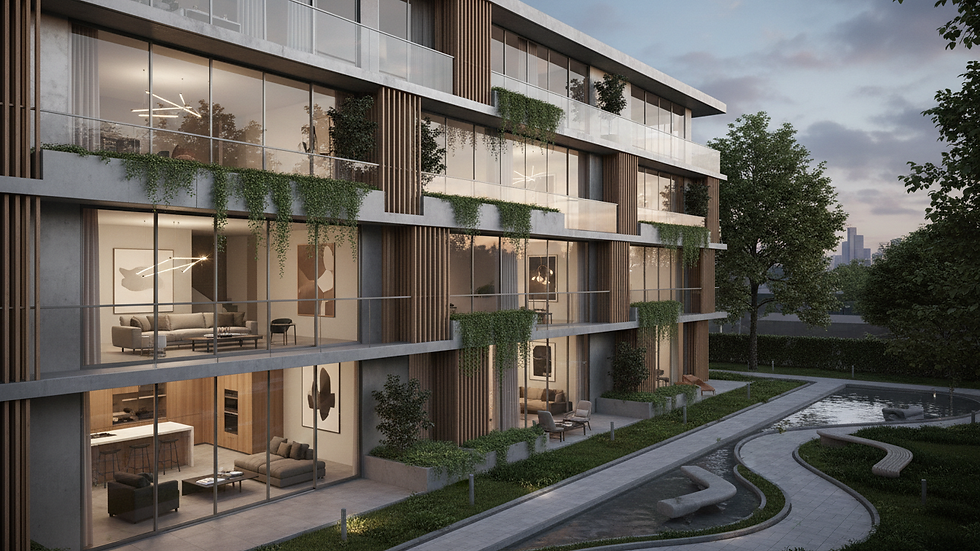
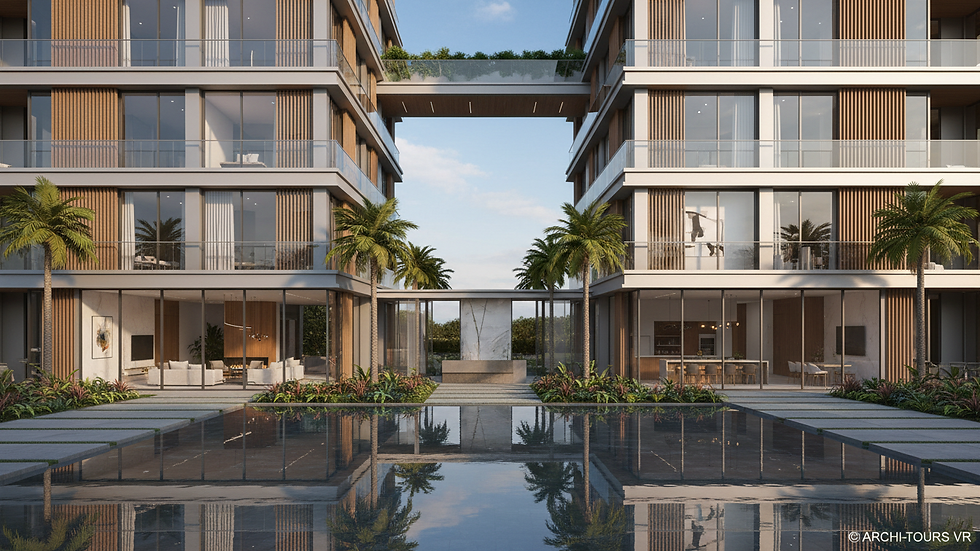
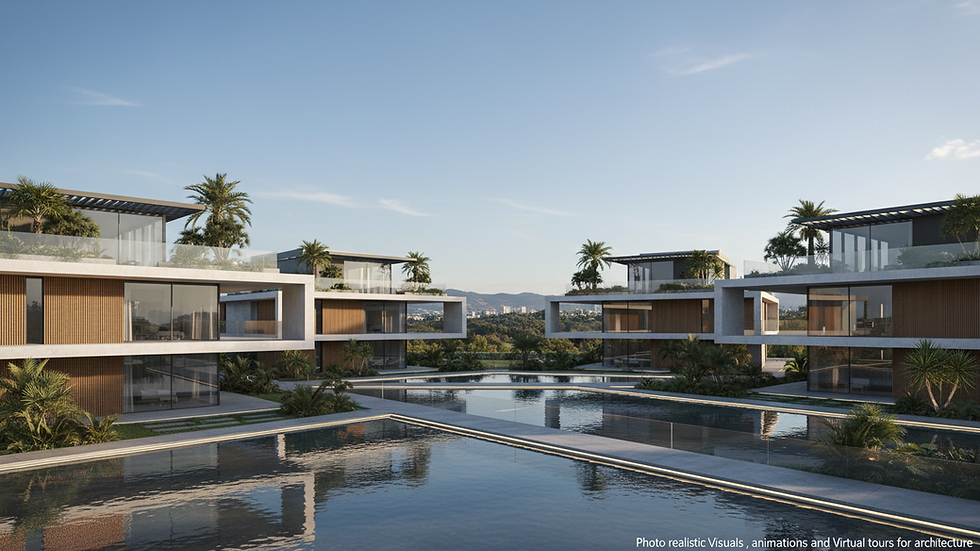
CGI in real estate marketing serves as a bridge between imagination and reality. It allows developers and architects to showcase their projects with remarkable clarity and detail. Unlike traditional photography or sketches, CGI offers a dynamic and immersive experience. It can depict interiors, exteriors, landscaping, and even the surrounding environment with photorealistic accuracy.
For instance, a residential complex under construction can be presented with fully furnished apartments, vibrant community spaces, and lush greenery, all rendered digitally. This not only helps in setting realistic expectations but also enhances emotional engagement. Buyers can virtually walk through the property, explore different design options, and visualize their future home or workspace.
Moreover, CGI facilitates faster decision-making. When stakeholders see a vivid representation of the project, they can assess its value and appeal more effectively. This reduces the time spent on revisions and approvals, accelerating the sales cycle. The adaptability of CGI also means that changes in design or layout can be updated swiftly without the need for costly physical models or reshoots.

Advantages of CGI in Real Estate Marketing in India
India's real estate market is vast and diverse, with a growing demand for innovative marketing solutions. CGI offers several advantages that align perfectly with the needs of this dynamic sector:
Cost Efficiency: Traditional marketing methods like physical models and staged showrooms can be expensive and time-consuming. CGI reduces these costs by creating virtual models that can be reused and modified easily.
Enhanced Visualization: CGI provides a 360-degree view of properties, including lighting effects, textures, and materials, which are difficult to capture through conventional photography.
Customization and Flexibility: Developers can showcase multiple design variants, color schemes, and furnishing options, allowing clients to personalize their choices.
Marketing Versatility: CGI content can be used across various platforms - websites, social media, virtual tours, and presentations - broadening the reach and impact.
Overcoming Site Limitations: For projects in remote or underdeveloped areas, CGI helps present the property attractively without the need for physical visits.
In India, where real estate projects often face delays and regulatory hurdles, CGI acts as a powerful tool to maintain buyer interest and confidence. It also supports pre-launch marketing campaigns, generating buzz and anticipation well before construction begins.
Which Company Has the Best CGI?
Selecting the right CGI partner is crucial for achieving the desired impact in property marketing. The best companies combine technical expertise with artistic sensibility, ensuring that every detail reflects the project's essence. They employ advanced software and skilled artists who understand architectural nuances and market trends.
A top-tier CGI company will offer:
High-Quality Renderings: Photorealistic images and animations that capture light, shadow, and texture authentically.
Interactive Solutions: Virtual reality (VR) and augmented reality (AR) experiences that engage clients on a deeper level.
Timely Delivery: Efficient workflows that meet project deadlines without compromising quality.
Collaborative Approach: Close coordination with developers and architects to align visuals with the design intent.
Comprehensive Services: From concept visualization to marketing collateral creation, providing end-to-end support.
In Hyderabad, for example, creative agencies specializing in real estate visualization have emerged as leaders by blending innovation with local market understanding. Their work not only elevates the presentation of properties but also enhances the overall brand image of developers.

Practical Applications of CGI in Property Marketing
The versatility of CGI extends across various facets of property marketing. Here are some practical applications that demonstrate its transformative potential:
Pre-Construction Marketing: Developers can launch marketing campaigns with CGI visuals that depict the final look of the project, attracting early buyers and investors.
Virtual Tours: Interactive walkthroughs allow clients to explore spaces remotely, which is especially valuable in the current global context where travel may be restricted.
Design Validation: Architects and developers can use CGI to test different design elements and make informed decisions before construction begins.
Client Presentations: High-quality visuals enhance presentations to stakeholders, making proposals more persuasive and easier to understand.
Social Media and Digital Advertising: CGI content is highly shareable and can generate significant engagement on digital platforms, expanding the project's visibility.
By integrating CGI into their marketing strategies, real estate professionals can create compelling narratives around their projects. This not only attracts attention but also builds trust and excitement among potential buyers.
Embracing the Future of Real Estate Marketing
The integration of CGI in real estate marketing is not merely a trend but a fundamental shift in how properties are conceptualized and communicated. As technology advances, the possibilities for immersive and interactive experiences will only grow, offering even greater opportunities for innovation.
For developers and architects aiming to stand out in a competitive market, embracing CGI is essential. It empowers them to tell their stories with clarity and creativity, transforming abstract plans into tangible dreams. The journey from blueprint to buyer becomes smoother, more engaging, and ultimately more successful.
In this context, partnering with a creative agency that understands the nuances of the Indian real estate market and possesses world-class visualization capabilities is invaluable. Such collaboration ensures that every project is presented in its best light, captivating audiences and driving business growth.
For those interested in exploring this transformative approach, I recommend considering cgi for property marketing india as a resource to discover innovative solutions tailored to the unique demands of the Indian real estate sector.
The horizon of property marketing is bright, illuminated by the vivid possibilities of CGI. It invites us to reimagine how spaces are shared, experienced, and ultimately, brought to life.
Comments