
Enhancing Property Presales with Benefits 3D Rendering Presales
- Hitesh kumar Gattani
- Jul 20
- 4 min read

In the evolving landscape of real estate development, the ability to communicate a property's potential before it is physically built has become a critical advantage. The art of visualization has transcended traditional blueprints and static images, embracing the dynamic and immersive world of 3D rendering. This technology offers a transformative approach to property presales, allowing stakeholders to experience a project in vivid detail long before construction begins. As someone deeply engaged in this field, I have witnessed firsthand how 3D rendering elevates the presales process, turning abstract concepts into compelling visual narratives that resonate with prospective buyers and investors alike.
The Benefits 3D Rendering Presales Brings to Real Estate Development
The integration of 3D rendering into property presales is not merely a trend but a strategic enhancement that delivers tangible benefits. One of the foremost advantages is the ability to present a property in its most favourable light, showcasing architectural details, interior layouts, and environmental context with remarkable clarity. This visual precision helps bridge the gap between imagination and reality, enabling potential buyers to grasp the full scope of the project.
Moreover, 3D rendering facilitates faster decision-making. When clients can virtually walk through a space, assess finishes, and understand spatial relationships, their confidence in the purchase increases. This often results in accelerated sales cycles and reduced marketing costs. Additionally, developers can use these renderings to identify and rectify design flaws early, saving time and resources during construction.
Another significant benefit lies in customization. Renderings can be adapted to reflect different design options, materials, and lighting conditions, providing a versatile tool for client engagement. This flexibility supports a more personalised sales approach, catering to diverse preferences and enhancing overall satisfaction.

What is 3D Rendering in Real Estate?
3D rendering in real estate refers to the process of creating photorealistic images or animations of a property using computer-generated graphics. This technique allows developers and architects to visualize buildings, interiors, and landscapes in three dimensions, offering a comprehensive perspective that traditional 2D drawings cannot provide.
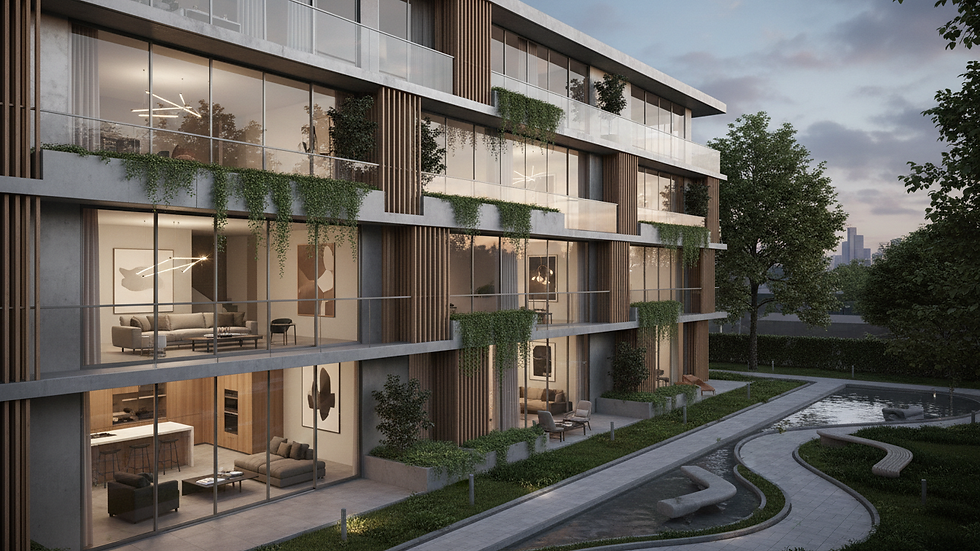
The process begins with detailed architectural plans, which are then transformed into digital models. These models are enhanced with textures, lighting, and environmental elements to produce lifelike representations. The result is a visual experience that can simulate different times of day, weather conditions, and even interior design styles.
This technology is particularly valuable during the presales phase, as it enables stakeholders to explore and evaluate the project without the need for physical prototypes or completed structures. It also supports marketing efforts by generating high-quality visuals for brochures, websites, and virtual tours.
Practical Applications of 3D Rendering in Property Presales
The practical applications of 3D rendering in property presales are manifold and impactful. One common use is the creation of virtual walkthroughs, which allow potential buyers to navigate through a property interactively. This immersive experience helps convey the flow and functionality of spaces, making it easier to envision daily living or working environments.
Another application is the development of detailed interior renderings. These images highlight design elements such as furniture placement, colour schemes, and lighting effects, providing a tangible sense of style and ambiance. This level of detail can be instrumental in persuading buyers who might otherwise struggle to interpret floor plans.
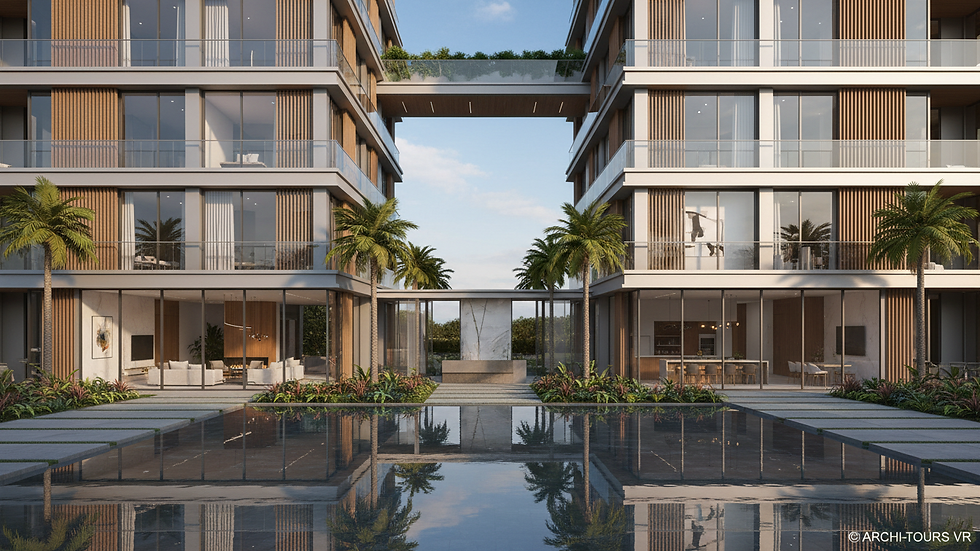
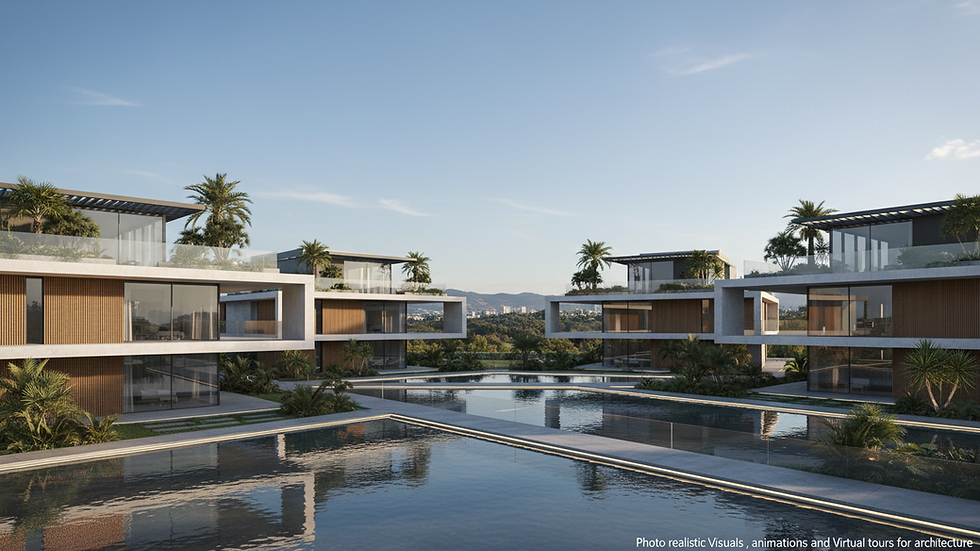
Furthermore, 3D renderings can illustrate the relationship between the property and its surroundings. By incorporating landscaping, neighbouring buildings, and infrastructure, developers can demonstrate the project's integration within the community and its accessibility to amenities.
To maximise the effectiveness of these applications, it is advisable to collaborate with skilled visualization experts who understand both architectural nuances and marketing objectives. This partnership ensures that the renderings not only reflect technical accuracy but also appeal emotionally to the target audience.

How 3D Rendering Enhances Client Engagement and Trust
Building trust is paramount in real estate transactions, especially when buyers commit to properties that are yet to be constructed. 3D rendering plays a pivotal role in fostering this trust by providing transparency and clarity. When clients can see exactly what they are investing in, uncertainties diminish, and confidence grows.
Interactive 3D models invite clients to participate actively in the design process. They can request modifications, explore alternative layouts, and visualise upgrades, making them feel valued and involved. This collaborative approach not only strengthens relationships but also reduces the likelihood of post-sale dissatisfaction.
Moreover, the realism achieved through advanced rendering techniques can evoke emotional responses. The play of natural light, the texture of materials, and the harmony of colours combine to create an aspirational vision that resonates deeply. This emotional connection often translates into stronger buyer commitment and enthusiasm.
Future Trends in 3D Rendering for Real Estate Presales
Looking ahead, the role of 3D rendering in property presales is poised to expand further, driven by technological advancements and evolving market expectations. Integration with virtual reality (VR) and augmented reality (AR) is becoming increasingly prevalent, offering even more immersive and interactive experiences.
Artificial intelligence (AI) is also beginning to influence rendering workflows, enabling faster production times and enhanced customization options. These innovations will empower developers to present properties in ways that are more engaging, accessible, and tailored to individual preferences.
Sustainability considerations are likely to be incorporated into renderings as well, showcasing energy-efficient designs and eco-friendly materials. This transparency aligns with growing consumer awareness and demand for responsible development.
By embracing these trends, real estate professionals can maintain a competitive edge and continue to captivate prospective buyers with compelling visual stories.
Embracing 3D Rendering to Transform Property Presales
In the realm of real estate development, the power of visualization cannot be overstated. The ability to transform architectural concepts into vivid, tangible experiences through 3D rendering is a game-changer for property presales. It bridges the divide between imagination and reality, accelerates decision-making, and cultivates trust through transparency.
For those seeking to elevate their projects and captivate discerning clients, investing in high-quality 3D rendering services is an indispensable strategy. By harnessing this technology, developers and architects can craft compelling narratives that not only showcase their vision but also inspire confidence and enthusiasm.
For a comprehensive and professional approach, exploring 3d rendering for property presales can provide the expertise and creative insight necessary to bring real estate projects to life with unparalleled clarity and impact.
Comments