
Enhancing Property Presales with 3d Rendering Benefits
- Hitesh kumar Gattani
- Apr 20
- 4 min read

In the evolving landscape of real estate development, the ability to convey a project's vision with clarity and allure is paramount. Traditional blueprints and static images often fall short in capturing the imagination of potential buyers or investors. This is where the transformative power of 3d rendering benefits comes into play, offering a vivid, immersive glimpse into properties yet to be built. By harnessing advanced visualization techniques, developers and architects can bridge the gap between concept and reality, accelerating presales and fostering deeper engagement.
The Transformative Power of 3d Rendering Benefits in Real Estate
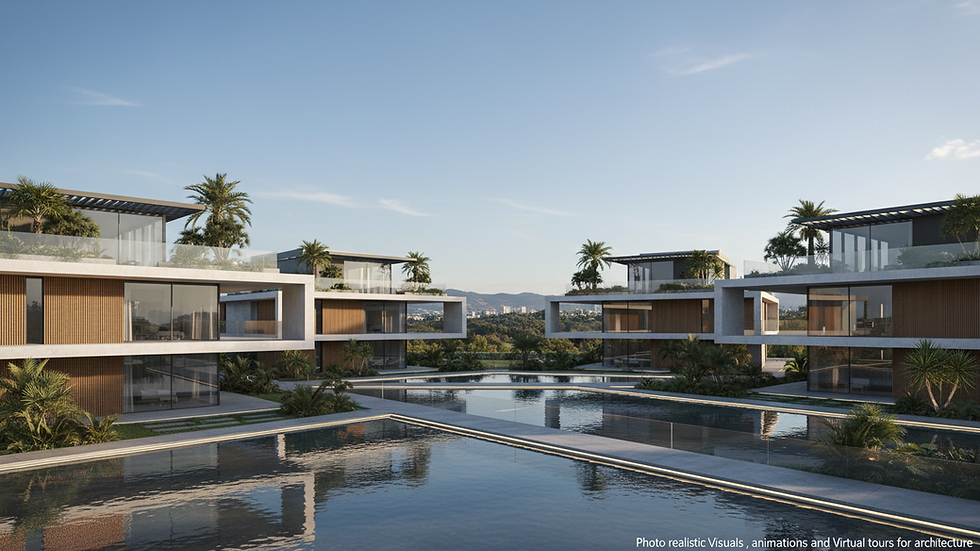
3d rendering benefits extend far beyond mere aesthetics. They serve as a dynamic communication tool that translates architectural plans into tangible experiences. Through photorealistic images and walkthroughs, stakeholders gain a comprehensive understanding of spatial relationships, materials, lighting, and ambiance. This clarity reduces ambiguity and builds confidence among buyers, who can visualize their future homes or commercial spaces with remarkable precision.
For instance, a residential complex under development can be showcased with detailed interiors, landscaping, and even simulated natural light at different times of day. This level of detail not only highlights design strengths but also addresses potential concerns before construction begins. The result is a more informed decision-making process, which often leads to quicker commitments and higher presale rates.
Moreover, 3d rendering facilitates customization. Prospective clients can explore various design options, finishes, and layouts virtually, tailoring the property to their preferences. This interactive element enhances buyer satisfaction and fosters a sense of ownership early in the sales cycle.

Practical Applications and Advantages of 3d Rendering Benefits
The advantages of integrating 3d rendering into property presales are multifaceted. Here are some key applications and their corresponding benefits:
Marketing and Promotion: High-quality renderings serve as compelling marketing collateral across digital platforms, brochures, and presentations. They attract attention and generate excitement, often outperforming traditional photography of completed projects.
Investor Relations: Detailed visualizations provide investors with a clear picture of project scope and potential, facilitating funding approvals and partnerships.
Design Validation: Architects and developers can identify design flaws or improvements early, saving time and costs associated with revisions during construction.
Virtual Tours: Interactive 3d walkthroughs allow remote buyers to explore properties from anywhere, expanding market reach and convenience.
Regulatory Approvals: Realistic renderings can assist in obtaining permits by clearly demonstrating compliance with zoning and environmental standards.
By leveraging these benefits, developers can streamline the presales process, reduce uncertainties, and enhance overall project appeal.
Can ChatGpt create renderings?
While ChatGPT excels as a language model capable of generating text-based content, it does not possess the capability to create visual renderings. The creation of 3d renderings requires specialized software and expertise in computer graphics, modeling, and rendering engines. Tools such as Autodesk 3ds Max, Blender, or Lumion are typically employed by skilled artists to produce photorealistic images and animations.
However, ChatGPT can assist in the conceptual phase by generating descriptive narratives, marketing copy, or technical documentation related to 3d rendering projects. It can also help brainstorm ideas or explain complex concepts in accessible language, complementing the visual work done by rendering professionals.

Integrating 3d Rendering for Property Presales into Development Strategies
Incorporating 3d rendering into the presales strategy requires thoughtful planning and collaboration. Here are actionable recommendations to maximize its impact:
Early Engagement: Begin visualization efforts during the conceptual design phase to influence buyer perceptions from the outset.
Collaborate Closely: Ensure seamless communication between architects, developers, and rendering artists to maintain design integrity.
Tailor Content: Customize renderings to highlight unique selling points relevant to the target market segment.
Leverage Multiple Formats: Utilize still images, 360-degree views, and virtual reality experiences to cater to diverse buyer preferences.
Update Regularly: Reflect design changes promptly in renderings to maintain accuracy and trustworthiness.
Integrate with Marketing: Embed renderings in websites, social media, and sales presentations to create a cohesive narrative.
By embedding these practices, developers can harness the full potential of 3d rendering for property presales, transforming abstract plans into compelling visual stories that resonate deeply with prospective clients.
The Future of Real Estate Visualization and Its Impact on Presales
As technology advances, the scope and sophistication of 3d rendering continue to expand. Artificial intelligence, real-time rendering, and augmented reality are converging to create even more immersive and interactive experiences. These innovations promise to further enhance buyer engagement and streamline the sales process.
For example, real-time rendering allows clients to modify design elements on the fly during presentations, fostering a collaborative atmosphere. Augmented reality applications enable buyers to project virtual models onto physical sites, blending imagination with reality.
In this dynamic environment, agencies specializing in world-class visualization services, such as OI CG Studio in Hyderabad, are poised to lead the transformation. Their expertise in crafting stunning visual narratives across residential, commercial, and retail sectors positions them as invaluable partners in elevating property presales.
Ultimately, embracing 3d rendering benefits is not merely a technological upgrade but a strategic imperative. It empowers developers to tell their stories with clarity and elegance, captivating audiences and accelerating the journey from vision to reality.


Comments