
3D Rendering: Revolutionizing Property Presales in India - Property Presales Rendering Tips
- Hitesh kumar Gattani
- Jun 29
- 4 min read

In the evolving landscape of real estate, the power of visualization has become paramount. The ability to present a property before it is physically constructed has transformed the way developers and architects engage with potential buyers. This transformation is largely driven by the advent of 3D rendering technology, which breathes life into architectural concepts and offers a tangible glimpse into the future. As the Indian real estate market grows more competitive, leveraging 3D rendering for property presales has become not just an advantage but a necessity.
The Role of 3D Rendering in Modern Property Presales
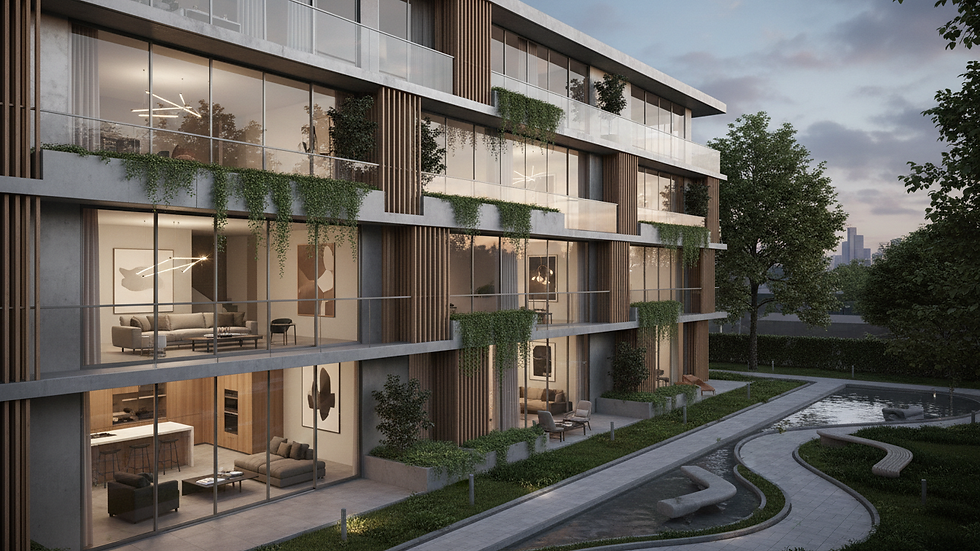
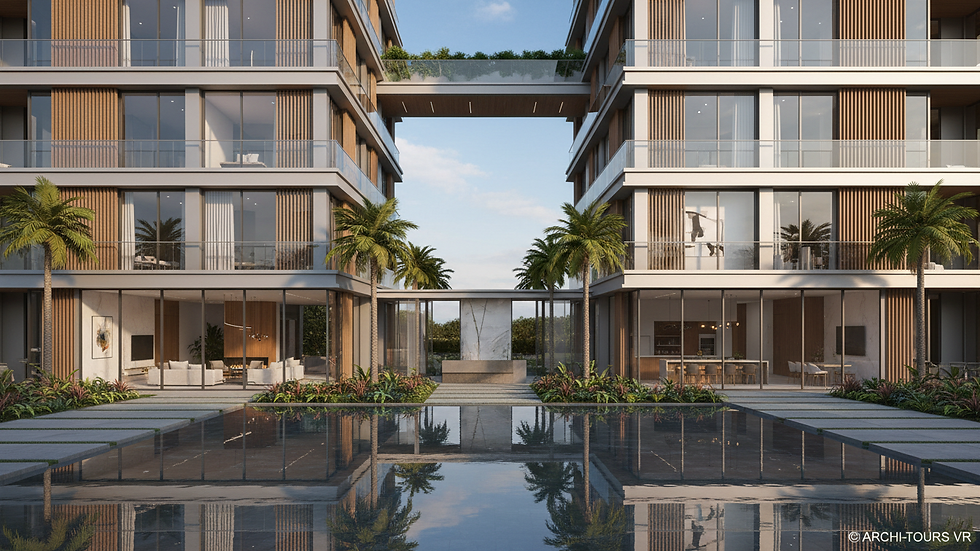
3D rendering serves as a bridge between imagination and reality. It allows stakeholders to visualize every detail of a property, from the façade to the interiors, landscaping, and even ambient lighting. This technology transcends traditional blueprints and 2D drawings, offering a dynamic and immersive experience.
For developers, this means the ability to showcase projects in their full glory, even before the first brick is laid. For architects, it provides a platform to communicate design intent with precision and clarity. The result is a more informed decision-making process for buyers, who can explore the property virtually and gain confidence in their investment.
Moreover, 3D rendering facilitates customization. Prospective buyers can see different design options, materials, and finishes, enabling a personalized experience that enhances engagement and satisfaction. This interactive approach often accelerates the sales cycle, reducing the time properties remain on the market.

Property Presales Rendering Tips: Maximizing Impact and Engagement
To harness the full potential of 3D rendering in property presales, certain best practices should be observed. These tips ensure that the visualizations are not only aesthetically pleasing but also strategically effective.
Focus on Realism and Detail
The closer the rendering is to reality, the more trust it builds. Attention to textures, lighting, and shadows can create a lifelike representation that resonates with buyers.
Highlight Key Features
Emphasize unique selling points such as panoramic views, green spaces, or innovative design elements. Use close-ups and different angles to draw attention to these aspects.
Incorporate Contextual Elements
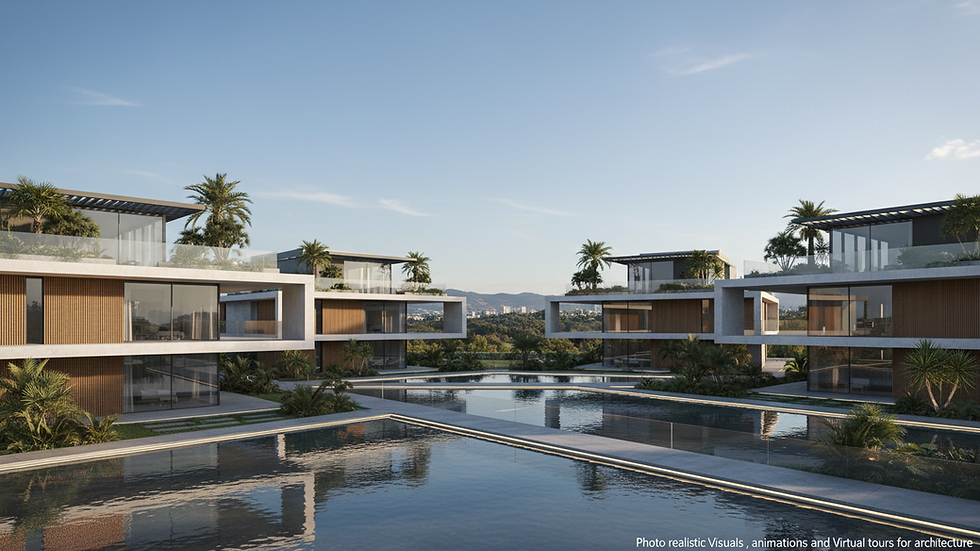
Surround the property with realistic surroundings like roads, parks, and neighbouring buildings. This situates the project within its environment, helping buyers understand its location and lifestyle benefits.
Use Interactive Tools
Integrate virtual tours or 360-degree views to allow buyers to navigate the space at their own pace. This interactivity enhances engagement and provides a comprehensive understanding of the property.
Maintain Consistency Across Marketing Channels
Ensure that the 3D visuals align with brochures, websites, and advertisements. Consistent imagery reinforces brand identity and project credibility.
Collaborate Closely with Designers and Developers
Early and ongoing collaboration ensures that the renderings accurately reflect the design intent and construction feasibility, avoiding discrepancies that could undermine buyer confidence.
By applying these tips, developers and architects can create compelling visual narratives that not only attract attention but also convert interest into sales.
Is 3D Rendering in Demand?
The demand for 3D rendering in the Indian real estate sector is surging, driven by several converging factors. Urbanisation, rising disposable incomes, and a growing middle class have intensified the need for innovative marketing strategies. Buyers today seek transparency and clarity before committing to significant investments.
3D rendering addresses these needs by offering a clear, immersive preview of properties. It reduces ambiguity and helps buyers visualize the final product, which is especially crucial in presales where physical inspection is impossible. This technology also supports remote decision-making, a feature that has gained prominence in the post-pandemic era.
Furthermore, regulatory bodies and financial institutions increasingly require detailed project presentations for approvals and funding. High-quality 3D visuals facilitate these processes by providing comprehensive and accurate representations.
The trend is not limited to residential projects; commercial and retail developments also benefit from 3D rendering, as it helps stakeholders understand spatial layouts and design concepts. Consequently, the integration of 3D rendering into property presales is becoming a standard practice rather than an exception.

Practical Applications of 3D Rendering in Property Presales
The versatility of 3D rendering extends across various stages and facets of property presales. Understanding these applications can help developers and architects leverage the technology more effectively.
Marketing and Sales Presentations
Renderings serve as powerful tools in sales offices and exhibitions. They captivate potential buyers and provide a clear vision of the project’s potential.
Design Validation and Modifications
Before construction begins, 3D models allow for design reviews and adjustments. This reduces costly changes during the building phase.
Investor Relations
Detailed visualizations help secure funding by demonstrating project viability and aesthetic appeal to investors.
Online Listings and Virtual Platforms
With the rise of digital real estate platforms, 3D renderings enhance online listings, making them more attractive and informative.
Client Customization Options
Buyers can visualize different configurations, finishes, and furnishings, enabling tailored solutions that meet individual preferences.
By integrating these applications, the presales process becomes more transparent, efficient, and customer-centric.
Future Trends in 3D Rendering for Real Estate
Looking ahead, the evolution of 3D rendering promises even greater impact on property presales. Emerging technologies such as augmented reality (AR) and virtual reality (VR) are poised to complement traditional rendering techniques, offering immersive experiences that blur the line between virtual and physical spaces.
Artificial intelligence (AI) is also beginning to influence rendering workflows, automating repetitive tasks and enhancing image quality. This will enable faster turnaround times and more cost-effective solutions.
Sustainability considerations are increasingly reflected in renderings, showcasing eco-friendly materials and energy-efficient designs. This aligns with growing environmental awareness among buyers and regulatory frameworks.
As these trends unfold, the role of 3D rendering will expand beyond visualization to become an integral part of the entire real estate development and sales ecosystem.
Embracing 3D Rendering: A Strategic Imperative
In the competitive Indian real estate market, standing out requires innovation and clarity. The use of 3d rendering for property presales offers a strategic advantage by transforming abstract plans into vivid, engaging stories. This technology not only enhances buyer confidence but also streamlines the sales process, reduces risks, and fosters collaboration among stakeholders.
For those committed to excellence in real estate development and architectural design, embracing 3D rendering is no longer optional. It is a vital tool that shapes perceptions, drives decisions, and ultimately, builds success.
By investing in high-quality visualizations and adhering to best practices, developers and architects can unlock new opportunities and elevate their projects to new heights. The future of property presales in India is bright, and 3D rendering stands at the forefront of this exciting transformation.
Comments