
3D Rendering Property Sales: Transforming Real Estate Presales in India
- Hitesh kumar Gattani
- Apr 27
- 4 min read

In the dynamic landscape of Indian real estate, the presale phase is crucial for securing investments and gauging market interest. Traditional marketing methods often fall short in conveying the full potential of a property that exists only on paper. This is where the power of 3D rendering steps in, offering a vivid, immersive glimpse into future developments. By harnessing advanced visualization techniques, developers and architects can present their projects with unprecedented clarity and appeal, bridging the gap between concept and reality.
The Role of 3D Rendering in Property Sales
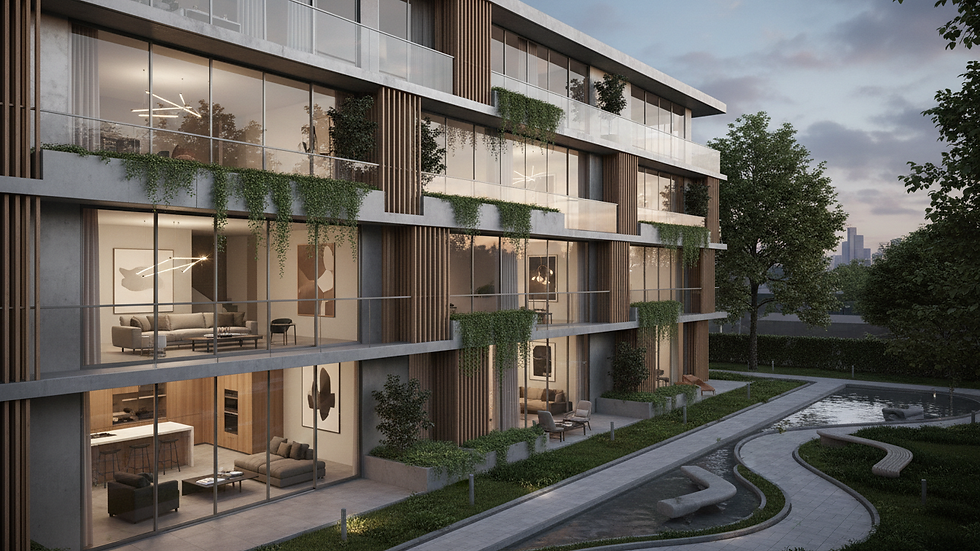
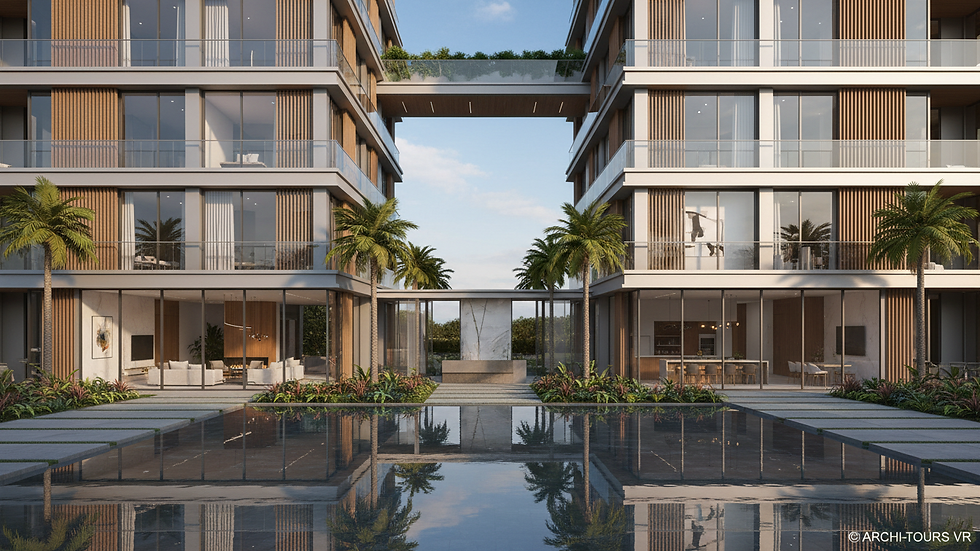
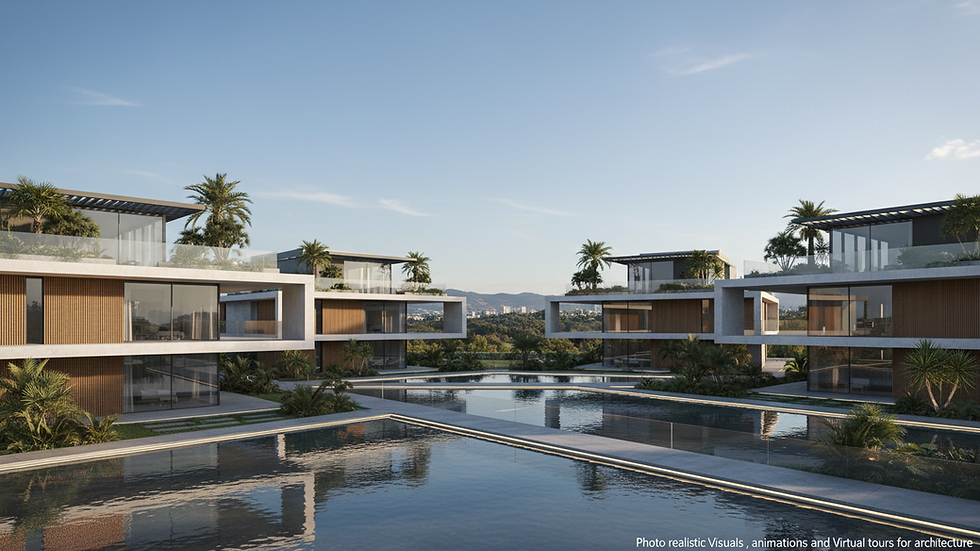
3D rendering has revolutionized the way properties are marketed before construction begins. It allows stakeholders to visualize architectural designs in photorealistic detail, showcasing interiors, exteriors, landscaping, and even ambient lighting. This technology transcends traditional blueprints and 2D drawings, providing a tangible experience that resonates with potential buyers and investors.
For real estate developers, 3D rendering serves multiple purposes:
Enhanced Communication: Complex architectural ideas become accessible and understandable.
Marketing Edge: High-quality visuals attract attention and generate excitement.
Risk Mitigation: Early feedback can inform design adjustments, reducing costly changes later.
Faster Sales Cycle: Buyers gain confidence, accelerating decision-making.
In India’s competitive property market, where buyers often rely on visuals to make purchasing decisions, 3D rendering is not merely an option but a strategic necessity.

3D Rendering Property Sales: A Strategic Advantage in India
The Indian real estate sector is witnessing rapid growth, fueled by urbanization and rising disposable incomes. However, challenges such as regulatory complexities and buyer skepticism persist. Integrating 3D rendering into property sales strategies addresses these challenges effectively.
Developers can showcase entire housing complexes, commercial spaces, or retail outlets with intricate details that highlight design aesthetics and functional layouts. This visual storytelling helps buyers envision their future homes or workplaces, fostering emotional connections that traditional methods cannot achieve.
Moreover, 3D renderings facilitate virtual walkthroughs, allowing clients to explore spaces interactively. This immersive experience is particularly valuable in India’s diverse climatic and cultural contexts, where design preferences vary widely. By tailoring visuals to regional tastes and expectations, developers can appeal to a broader audience.
Practical recommendations for leveraging 3D rendering in property sales include:
Invest in High-Quality Visuals: Crisp, realistic images and animations create trust.
Incorporate Virtual Reality (VR): Enhance engagement through immersive tours.
Use Renderings in Multiple Channels: Websites, social media, brochures, and presentations.
Highlight Unique Selling Points: Emphasize features like green spaces, amenities, and architectural innovation.
Collaborate Closely with Architects: Ensure renderings accurately reflect design intent.
By adopting these practices, developers can significantly improve their presales performance and brand reputation.
Can ChatGpt create renderings?
While ChatGPT excels in generating text-based content, explanations, and conceptual ideas, it does not possess the capability to create visual 3D renderings. The process of 3D rendering requires specialized software and skilled artists who translate architectural plans into detailed digital models.
However, ChatGPT can assist in the preparatory stages by:
Drafting project descriptions and marketing copy.
Suggesting design concepts and client communication strategies.
Providing technical explanations about rendering processes.
For actual 3D visualization, tools such as Autodesk 3ds Max, SketchUp, Blender, or Lumion are indispensable. These platforms enable the creation of photorealistic images and animations that bring architectural visions to life.

Integrating 3D Rendering into the Indian Real Estate Workflow
To maximize the benefits of 3D rendering, it is essential to embed it seamlessly within the real estate development workflow. This integration begins at the conceptual design phase and continues through marketing and sales.
Key steps include:
Early Collaboration: Architects and visualization experts should work hand-in-hand from the outset.
Iterative Feedback: Renderings should be refined based on stakeholder input to ensure accuracy.
Marketing Alignment: Visual content must align with branding and sales strategies.
Client Engagement: Use renderings to facilitate transparent communication with buyers and investors.
In Hyderabad, for example, agencies like OI CG Studio specialize in transforming real estate concepts into stunning visual stories. Their expertise in world-class visualization services supports developers in residential, commercial, and retail sectors, helping projects stand out in a crowded marketplace.
By adopting a structured approach, developers can reduce uncertainties, enhance buyer confidence, and ultimately accelerate project success.
The Future of Property Presales with 3D Rendering
Looking ahead, the role of 3D rendering in property presales is poised to expand further. Emerging technologies such as augmented reality (AR) and artificial intelligence (AI) will complement traditional rendering techniques, offering even more interactive and personalized experiences.
For instance, AI-driven tools may soon enable real-time customization of property features during virtual tours, allowing buyers to modify finishes, layouts, or furnishings on the fly. This level of engagement will deepen emotional investment and streamline decision-making.
Furthermore, as sustainability becomes a priority, 3D renderings can illustrate eco-friendly design elements and energy-efficient technologies, appealing to environmentally conscious buyers.
In this evolving landscape, developers who embrace innovative visualization methods will gain a decisive competitive edge, transforming how properties are marketed and sold in India.
By weaving together artistry and technology, 3D rendering elevates property presales from mere transactions to compelling narratives. It invites buyers to step into their future homes and workplaces long before the first brick is laid, fostering trust and enthusiasm that drive successful sales. For those seeking to lead in India’s vibrant real estate market, investing in high-quality 3D visualization is not just prudent - it is essential.
For more insights on how to leverage this transformative tool, explore 3d rendering for property presales and discover how expert visualization can redefine your project’s potential.
Comments